
Reviewed · BEST OF CORDOBA HIGHLIGHTS TOURS
Córdoba: Tour of the three cultures to see the city in a day
Córdoba’s story is written in streets. This Cordoba of the Three Cultures walking tour turns a short visit into a clear orientation, linking what you see with the city’s Jewish, Arabic, and Christian past. I especially like how it mixes big-picture context with street-level details, and I love that it includes an actual stop with synagogue entry rather than only talking from the curb.
You’ll also appreciate the walking rhythm: photo pauses, a few key squares, and time to catch your breath on the way to the old lanes of La Judería. One consideration: it’s only 2 hours, so if you want slow museum-style pacing, you may feel you’re moving quickly through several neighborhoods.
Even with that, it’s a smart first-day plan. Do it early, wear comfortable shoes, and you’ll leave with a much better sense of why Córdoba looks the way it does—especially when the tour explains the city’s old walls and what lived behind them.
In This Review
- Key highlights at a glance
- How Three Cultures works in just 2 hours
- Plaza de las Tendillas: your starting point and first orientation
- Roman Temple of Córdoba and the first squares: start with the older pulse
- Calle Pedro Jiménez and the break time you’ll actually need
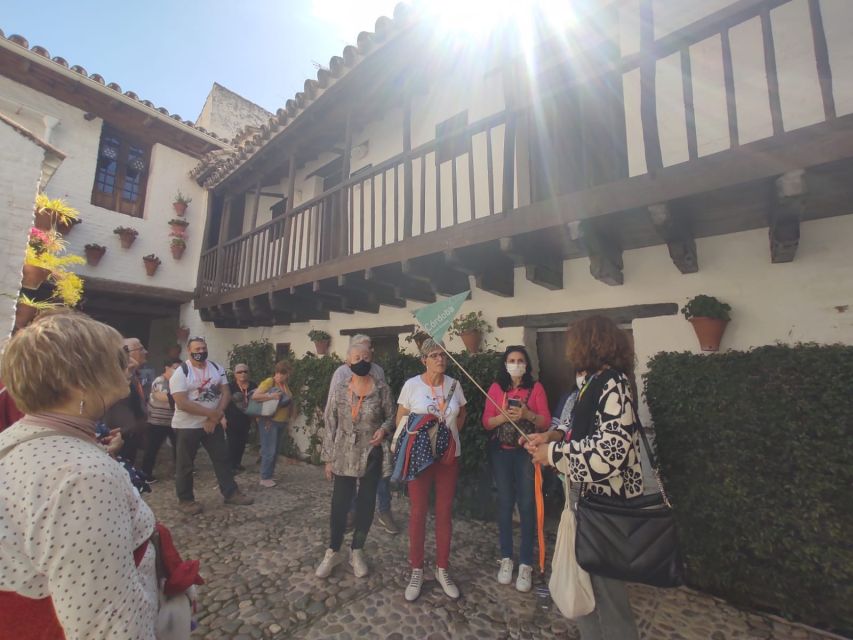
- Calleja de las Flores: the lane that teaches you how Córdoba moves
- La Judería and the synagogue stop: where the maze makes sense
- Finishing at the Roman Bridge: a natural end and a good last view
- Price and value: why $11 can be a smart deal
- Guide style, language support, and how to make it work
- Weather, shoes, and the pace reality check
- Who this tour fits best
- Should you book Córdoba of the Three Cultures?
- FAQ
- Where does the tour start?
- How long is the tour?
- What’s included in the ticket price?
- Is the tour in English?
- What should I bring?
- Does the tour run in bad weather?
- Where does the tour finish?
Key highlights at a glance
- Three cultures, one route across the city’s most important heritage zones
- Synagogue entry included, so you get more than storytelling
- Jewish Quarter lanes described as maze-like, with time for photos and questions
- Roman Córdoba touchpoints before you fully switch into medieval Córdoba
- Legends and curiosities woven into the stops to make the past feel human
- End at the Roman Bridge, a natural finishing point for your orientation walk
How Three Cultures works in just 2 hours
This is a short tour with a big job: give you an overview of Córdoba fast, then help you connect the dots between buildings, neighborhoods, and eras. You start in the modern heart of the city and gradually work your way into the older lanes where the Jewish, Arabic, and Christian layers overlap.
The best part is that it’s not only “see this landmark.” You’re walking through neighborhoods and squares and learning how different communities shaped the city’s look and feel. That matters because Córdoba can feel visually confusing until someone ties the geography to the timeline.
You’ll also hear plenty of curiosities and legends, the kind that turn stones into stories. Expect the guide to point out details that you’d normally miss—especially in the tighter streets where the city feels like it’s built to slow you down.
Cover the essentials in one go with more highlights tours of Cordoba.
- Cordoba Monuments Intensive Tour in English Tickets included
★ 4.5 · 214 reviews - Best of Cordoba Guided Tour
★ 4.5 · 121 reviews - Cordoba Relax Tour in English Tickets included
★ 4.5 · 22 reviews - Córdoba Highlights Walking Tour
★ 4.7 · 19 reviews
Plaza de las Tendillas: your starting point and first orientation
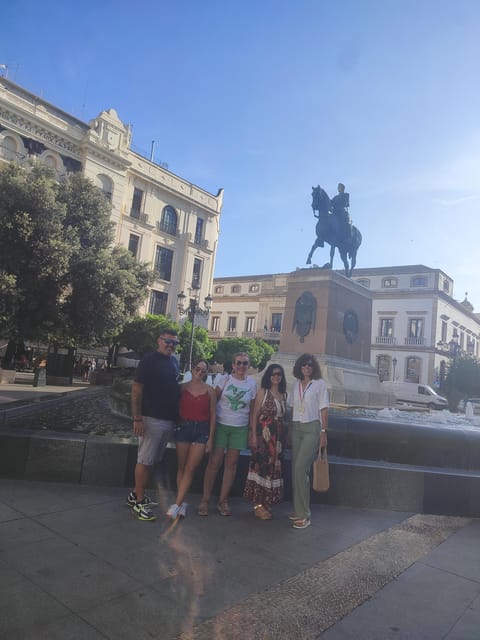
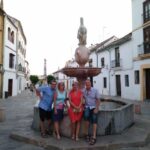
You meet at Plaza de las Tendillas, a practical choice because it’s easy to find and it gives you a baseline for where you are in Córdoba. The guide waits in front of the equestrian sculpture of the Great Captain with a flag for Córdoba Única, so you’ll know you’re in the right place without hunting.
In tours like this, the first minutes matter. You’ll get the route framing early, and it helps you understand what you’re about to see—Roman, then medieval, then the Jewish Quarter—without feeling like you’re sprinting through random sights.
One small but real tip: if you want good photos, position yourself smartly at the start. Photo stops are part of the flow, but getting a clean angle is easier when you’re early rather than trying to squeeze in later.
Roman Temple of Córdoba and the first squares: start with the older pulse
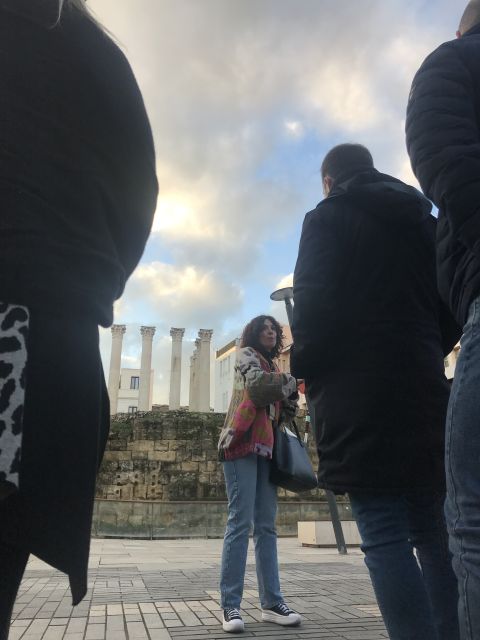
From the start, the tour moves to the Roman Temple of Córdoba for a photo stop and guided visit. Even if you’ve seen Roman ruins elsewhere, this one works as a “set the stage” moment. It reminds you Córdoba wasn’t always medieval-era stone and narrow lanes; it had long, earlier roots too.
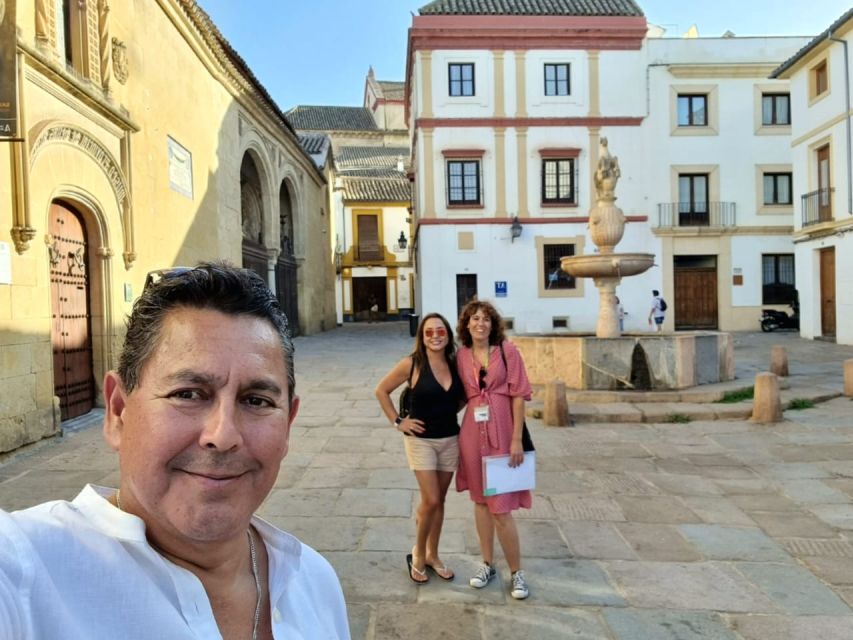
Next up is Corredera Square, a lively-looking stop where the guide’s explanations help the space make sense. Squares like this often feel generic if you just pass through them. With a guide connecting the square to the city’s changing periods, it becomes a useful reference point.
Then you’ll get Plaza del Potro. It’s a classic kind of Córdoba pause—simple, photogenic, and just long enough to break the walking into smaller chunks. This is one of the reasons the tour feels manageable: you’re not only staring at one neighborhood for the whole time.
If you dislike walking, consider this the tradeoff. The route is designed for a day-to-day feel, not a stop-and-stay pace. You’ll keep moving, but the guide builds in “save your legs” moments.
Calle Pedro Jiménez and the break time you’ll actually need
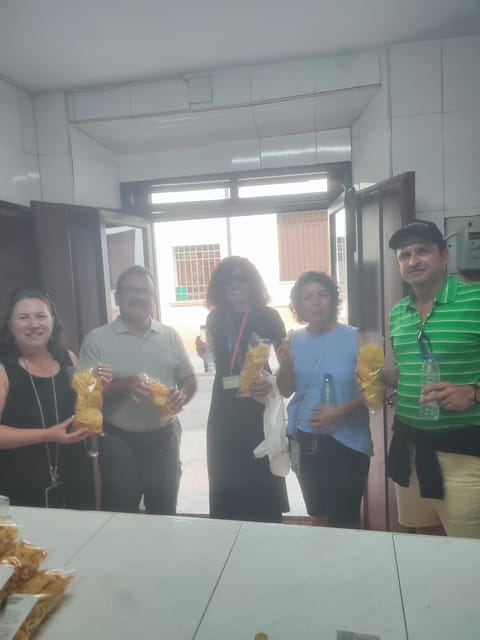
At Calle Pedro Jiménez, there’s a stated break time plus photos and guiding along the way. This is a good moment to slow down, rehydrate, and reset your brain before the streets start tightening.
In a city like Córdoba, that reset matters. The closer you get to older quarters, the more you’ll feel the geography. Streets get narrower, turns come faster, and it’s easy to lose the plot unless you’re mentally ready for the transition.
If you’re the kind of traveler who likes snacks during tours, this is where you’ll be thankful the break exists. Even without buying anything, it’s a chance to step out of “tour mode” for a minute.
A few more Cordoba tours and tickets worth a look before you book.

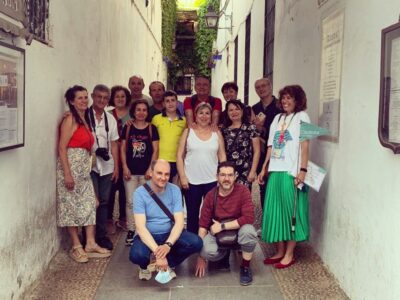
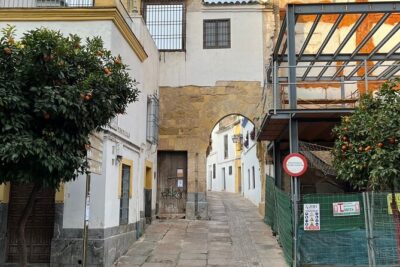
Calleja de las Flores: the lane that teaches you how Córdoba moves
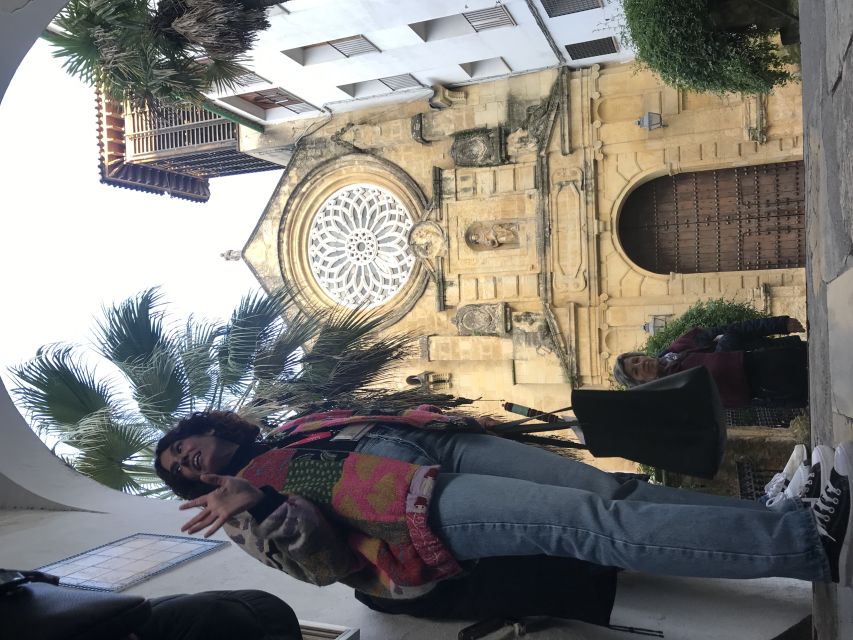
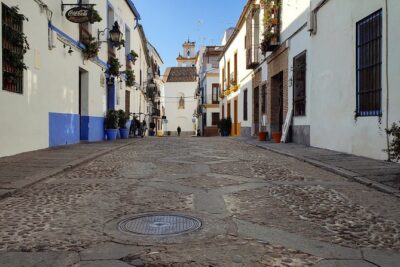
Calleja de las Flores is the kind of street that feels instantly Córdoba: compact, photogenic, and full of visual rhythm. Here, the guide’s job is to do more than show you a nice lane.
You’ll learn how to read the city’s layout—how old neighborhoods were shaped by community life and how movement through the city reflects that history. In other words, the street stops being only a postcard and starts becoming a map you can carry in your head.
This is also where you’ll start feeling the “three cultures” idea in your bones. The tour isn’t only about listing eras; it’s about explaining how the same city held multiple identities over time, often close together.
Go slow through this section. If you rush, you’ll miss the smaller details the guide points out, and you’ll also lose the chance to catch clean photos before the group starts moving as one.
La Judería and the synagogue stop: where the maze makes sense
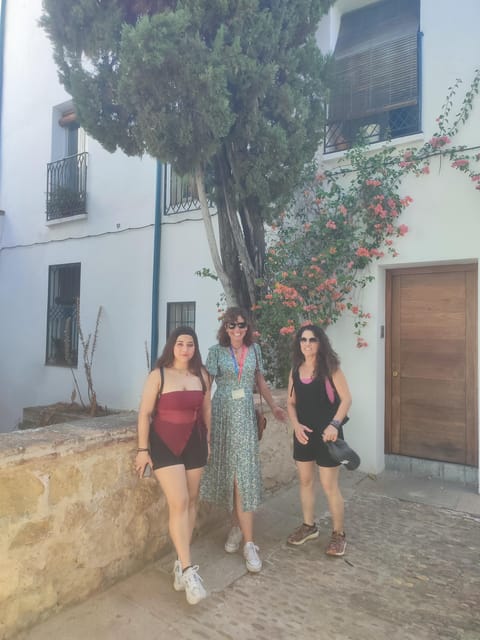
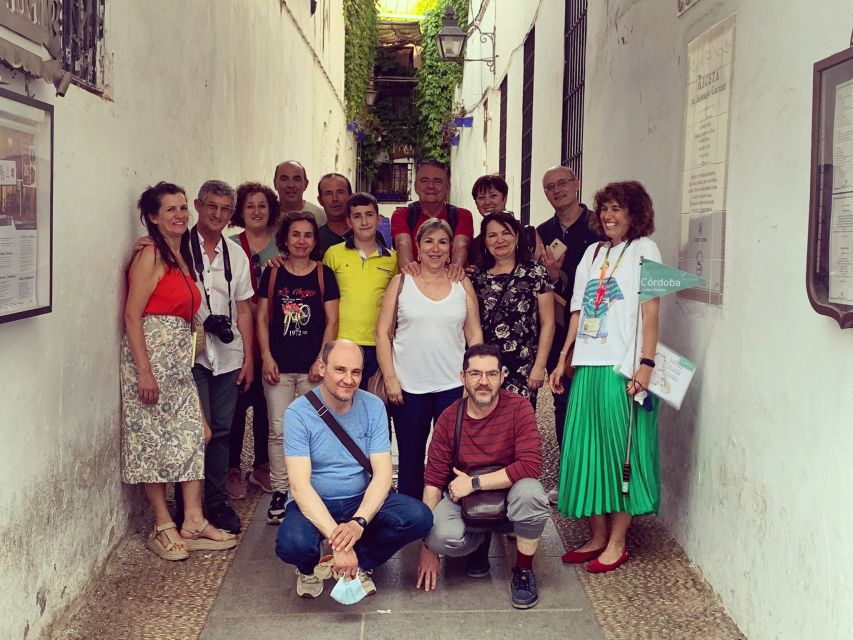
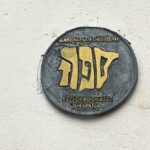
La Judería is the heart of the Jewish Quarter experience on this tour. Expect maze-like streets, photo stops, and a focused guided walk through the area’s layered character. This is where the tour’s “three cultures” theme becomes concrete, not abstract.
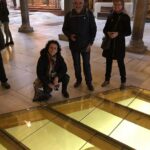
A major value point here: synagogue entry tickets are included. That takes the experience beyond exterior views. You’re not just hearing about the community—you’re visiting a place tied directly to it.
When the guide talks about Córdoba’s past, one idea you’ll want to listen for is how daily life and architecture influence each other. Jewish Quarter lanes tend to feel intimate and slightly enclosed, and that feeling can help you understand why the city’s stories don’t always fit into neat, modern categories.
Also listen for the tour’s explanation about the wall of Córdoba and what it was like. City walls shape more than defense. They influence movement, boundaries, and where communities gathered. Even if you’re only seeing fragments today, hearing how the wall worked makes the present-day city feel more readable.
Finishing at the Roman Bridge: a natural end and a good last view
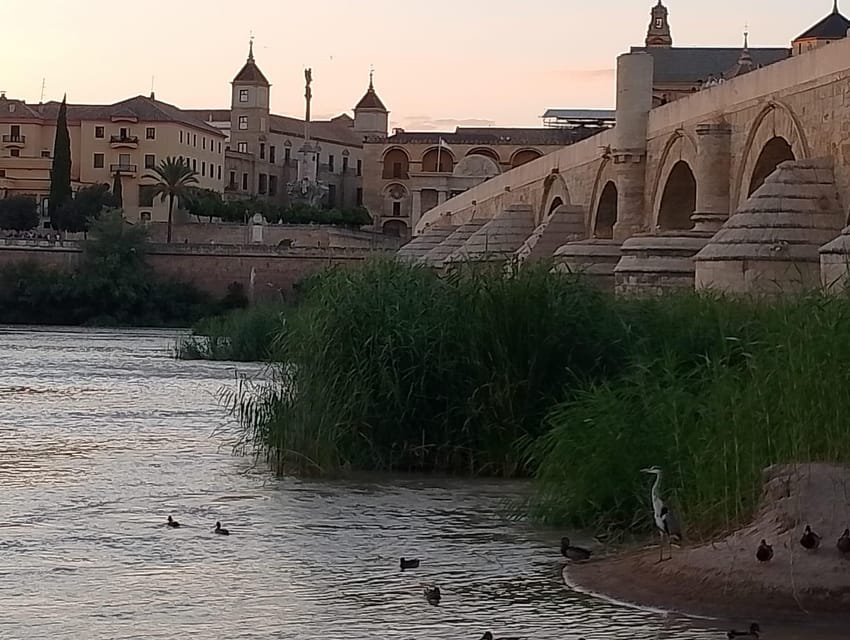
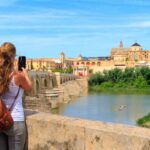
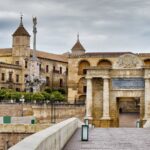
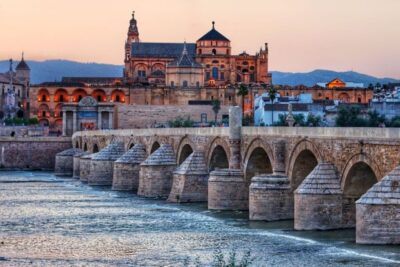
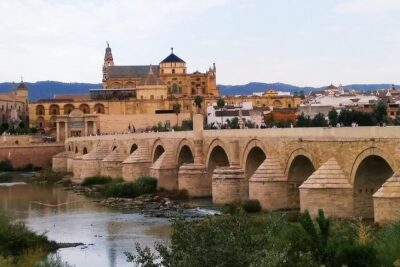
The tour ends at the Roman Bridge of Córdoba. This finish is smart because bridges do two useful things for you. They give you a visual landmark that feels “big,” and they also create a clear finishing point that’s easy to orient from.
You’ll also have a sense of closure in the story. The route begins with Roman touchpoints and ends with a Roman structure, while the middle connects the era-to-era shifts that happened in between. It’s a tidy loop for a short day.
If you have extra time after the tour, this is a good place to linger and take in the river area. Even without a plan, you’ll likely feel like you’ve earned a slow moment.
Price and value: why $11 can be a smart deal
At $11 per person for a 2-hour guided walking tour, the value is mostly about what’s included and how efficiently the time is used. Many short tours cost more while only offering exterior views. Here, you get a live guide, an audio guide in Spanish, and synagogue entry—all in one compact route.
Headsets are also included when groups are larger than 15 people. That may sound small, but it’s practical. In a city like Córdoba, where you’re often walking and talking at the same time, being able to hear instructions clearly makes the whole experience better.
The other value piece is what you’re actually buying: context. For a place with overlapping historical layers, paying for a guide can save you hours of guessing. If it helps you understand why you’re seeing certain neighborhoods and why they’re connected to specific eras, it’s paying off fast.
The main “cost” is your energy. You’ll be on your feet for the duration, and that’s true even with breaks and photo pauses. If you’re already tired from travel, plan a lighter second half of your day.
Guide style, language support, and how to make it work
The tour is run with a live guide in Spanish, and you’ll also have an audio guide in Spanish. So the language situation is fine if you’re comfortable catching key points, but you’ll still want to stay attentive because the guide’s explanations do a lot of the heavy lifting.
What helps: guides described in real experiences tend to be fun and upbeat, with a knack for making history understandable on the move. I’ve seen names like Paula, Angela, and Antonia/Angie associated with this tour, and the consistent theme is that they connect with people instead of rattling off facts.
If your Spanish isn’t strong, you can still follow the structure by listening for the cultural transitions: Jewish Quarter, Arabic legacy, then Christian-era developments. Those shifts are built into the route, so the city itself becomes your glossary.
Also, keep expectations realistic about “in one day.” This tour gives you the frame. You’ll come away with directions for what to explore more later if you want deeper study.
Weather, shoes, and the pace reality check
This tour runs regardless of weather conditions. In Córdoba, that usually means you should dress for sun, shade shifts, and possible rain without assuming you’ll get a reschedule.
Bring comfortable shoes—seriously. The streets around older quarters can be uneven, and you’ll be walking between stops with only short breaks. If your footwear is borderline, your legs will tell you before your mind even notices.
As for mobility: the activity notes both wheelchair accessibility and that it’s not suitable for people with mobility impairments. If you fall into that category, ask the operator directly before booking. Don’t rely on a single label when the route includes older streets and a lot of moving.
Who this tour fits best
This tour is ideal if it’s your first day in Córdoba and you want a smart overview. It’s also great when you have limited time and want a route that touches the key cultural layers without requiring separate tours.
I’d especially recommend it if you like history but hate “museum-only” pacing. This is history you can walk through, with streets acting like timeline chapters.
If you hate guided walking tours or you need very slow, individual exploration, you might find the structure a bit tight. But if you can handle a steady pace for a couple hours, you’ll likely come away feeling oriented and satisfied.
Should you book Córdoba of the Three Cultures?
Yes—if you want to understand Córdoba fast and you like seeing how multiple communities shaped the same city. The included synagogue entry, the careful route through key squares and lanes, and the Roman-to-medieval flow make it strong value for the time.
Skip it only if you need a quiet, low-walking plan or if language barriers will frustrate you. Otherwise, book it for your first day, wear your best walking shoes, and use the route as your map for what to explore next.
FAQ
Where does the tour start?
It starts at Plaza de las Tendillas. The guide waits in front of the equestrian sculpture of the Great Captain with a flag for Córdoba Única.
How long is the tour?
The tour lasts 2 hours.
What’s included in the ticket price?
You get a live guide, Spanish audio guide, headsets if the group is larger than 15, and entry tickets to the synagogue.
Is the tour in English?
The live tour guide is Spanish, and the audio guide is also in Spanish.
What should I bring?
Bring comfortable shoes. The tour is walking-based and runs through older streets.
Does the tour run in bad weather?
Yes. The tour takes place regardless of weather conditions.
Where does the tour finish?
It finishes at the Roman Bridge of Córdoba.
More Tours in Cordoba
More Highlights Tours in Cordoba


More Tour Reviews in Cordoba
Still deciding? Here are more Cordoba tours we have walked, tasted and timed for you


Best of Cordoba Highlights Tours, compared.
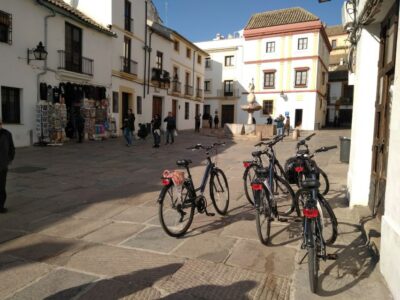 ★ 4.8Córdoba Daily Highlights Bike TourFrom $34361 reviews
 ★ 4.5Cordoba Monuments Intensive Tour in English Tickets includedFrom $66214 reviews
 ★ 4.5Best of Cordoba Guided TourFrom $47121 reviews
 ★ 4.5Cordoba Relax Tour in English Tickets includedFrom $4522 reviews
 ★ 4.7Córdoba Highlights Walking TourFrom $7119 reviews
 ★ 4.7Private custom tour with a local guideFrom $5315 reviews
 ★ 4.5Córdoba Highlight Walking TourFrom $3410 reviews
 ★ 5.0Private Córdoba Highlights Walking TourFrom $8110 reviews
Browse the lists this tour appears in