
Reviewed · CORDOBA HISTORIC CENTER WALKING TOURS
Cordoba Monuments Intensive Tour in English Tickets included
Cordoba in four hours, without the guesswork. This intensive tour is designed to squeeze in the Alcázar palace and the Mezquita-Catedral plus the best chance at the Synagogue, with audio receivers so you don’t strain to hear on narrow lanes. The one thing to watch: the Synagogue can be delayed by lines on the approach and it’s closed certain days.
What I like most is the flow. You start with a palace that feels like a time machine, then work your way through Cordoba’s Jewish Quarter before ending at the city’s headline monument, where you can stay longer for photos and slow gazing.
In This Review
- Key things that make this tour worth your time
- Start at Alcázar de los Reyes Cristianos: gardens, power, and Mudejar detail
- La Judería on foot: the lanes that explain Cordoba’s crossroads
- Córdoba Synagogue: your best chance, and how to plan around it
- Capilla Mudejar de San Bartolome and the feel of everyday faith
- The Mercado-style stop: Zoco Municipal de Artesania
- Medical history in stone: al-Gafequi and the legacy of the city’s thinkers
- Inside an old hospital turned university: Faculty of Philosophy and Letters
- Mezquita-Catedral: what makes it the perfect tour finale
- Value for $66.54: what you’re really paying for
- Timing, pacing, and group size: when the tour feels smooth vs. chaotic
- Who this tour suits best (and who should choose a different approach)
- Should you book this Cordoba Monuments Intensive Tour?
- FAQ
- Is the tour offered in English?
- What’s included in the ticket price?
- Do you get skip-the-line access?
- How long is the tour and when does it start?
- Will you definitely visit the Córdoba Synagogue?
- Are food and drinks included?
Key things that make this tour worth your time
- Skip-the-line tickets for the Alcázar and the Mezquita-Catedral cut into the wait
- Audio receivers help you hear clearly, even when groups get spread out
- A strong Jewish Quarter sequence covers La Judería, Maimonides, and the Synagogue when possible
- Finishes inside the Mezquita-Catedral so you can linger after the guided portion
- Smallish group size (up to 28) tends to keep the pace moving
Start at Alcázar de los Reyes Cristianos: gardens, power, and Mudejar detail
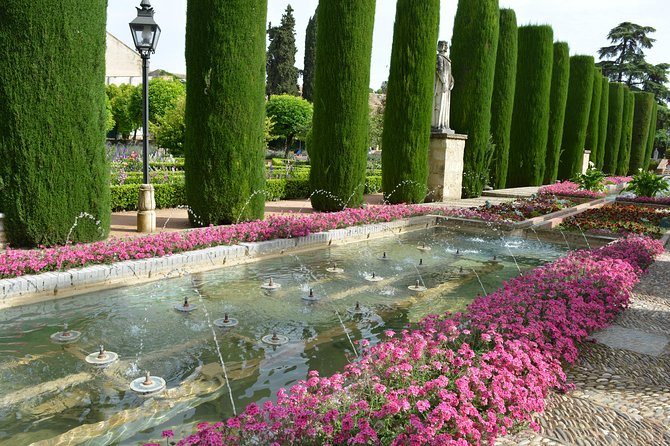
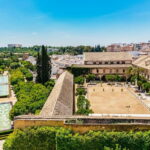
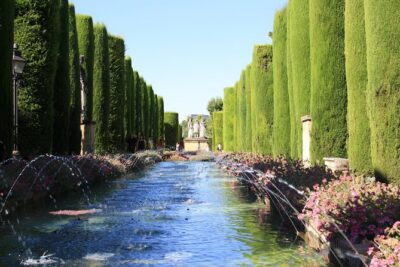
The morning begins at the Alcázar de los Reyes Cristianos, a building that has worn many hats over centuries. It was a palace and fortress, then tied to royalty (Isabella I of Castile and Fernando II of Aragon), later used as a prison—so you get layers of control, faith, and daily life in one compact stop.
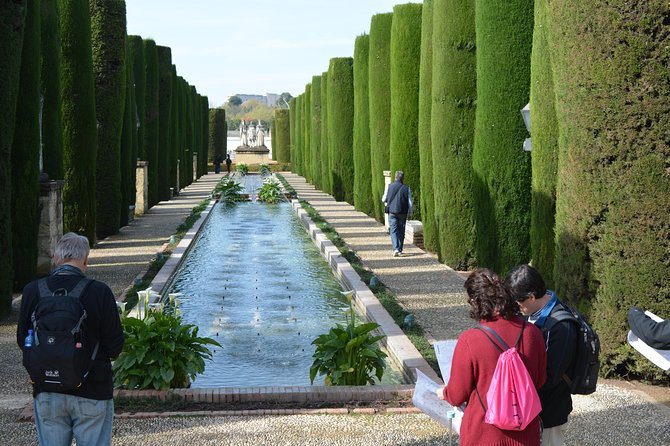
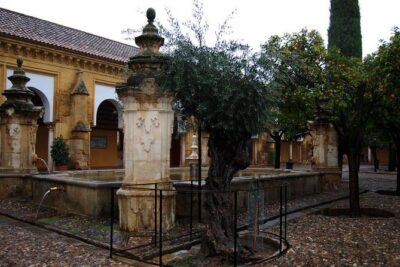
The outside is relatively sober, but the interior experience is the star. Expect a shift from stone-and-walls to bright courtyards and gardens with a strong Mudejar influence, the kind that makes Cordoba feel like it’s built from imagination as much as architecture.
If the weather is hot, this is one of your best anchors early. Even when the streets outside are slow to cool, the Alcázar’s design helps you settle in without feeling like you’re fighting the day.
Follow more walking tours through the historic centre, the Roman Bridge and the Calleja de las Flores in Cordoba.
- Cordoba: Monuments Walking Tour
★ 4.8 · 479 reviews - Cordoba Monuments Intensive Tour in English Tickets included
★ 4.5 · 214 reviews - Patios of Cordoba Walking Tour
★ 4.4 · 199 reviews - Cordoba: Jewish Quarter Walking Tour
★ 3.7 · 37 reviews
La Judería on foot: the lanes that explain Cordoba’s crossroads
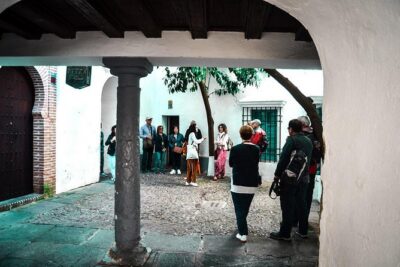
After the palace, you move into La Judería, the historic Jewish Quarter area tucked in the Old Town near the Mezquita. This is where Cordoba’s story stops being a timeline and starts becoming geography: small streets, changing neighborhoods, and the sense that different communities shaped the same space.
This portion matters because it’s not only about what’s famous. You’re given context—who lived here, what survived, and why the city’s religious and cultural identity overlaps instead of separating cleanly.
You’ll also see a couple of short-but-meaningful monuments: the Monument to the Lovers tied to Ibn Zaydun and Wallada bint al-Mustakfi, and the Estatua de Maimonides honoring Moses Maimonides, a major medieval thinker and physician. Even if you only spend a minute, these stops give your brain something to hold onto while the buildings blur together.
Córdoba Synagogue: your best chance, and how to plan around it
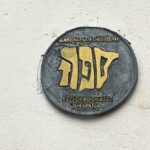
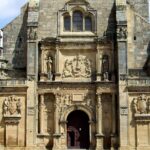
The Synagogue in Córdoba (built in 1315) is the tour’s must-visit moment for many people. It’s one of Spain’s best-preserved medieval synagogues and it shines with Mudejar-style decoration—small inside, but historically huge.
Here’s the practical truth: you’ll visit whenever possible, but timing isn’t always in your control. The approach street can get backed up by long lines, which can cost real time in a tour that’s already running tight. Also, it’s closed all day on Mondays, and it closes in the afternoons on Sundays and holidays.
The tour handles this with a plan B: if you can’t get inside, you’ll get an outside explanation of the monument. Still, you should go in knowing the building is compact. If you hate rushing, treat that 5-minute interior window like a gift rather than a checkbox.
Capilla Mudejar de San Bartolome and the feel of everyday faith
A quick hop leads to the Capilla Mudejar de San Bartolome, a 14th-century chapel with intricate Mudejar architecture. This is the kind of stop that makes Cordoba feel human: religious buildings that weren’t built to impress tourists, but somehow still do.
Even with limited time, it’s a useful counterpoint to the Synagogue and the Mezquita-Catedral. You’re reminded that Cordoba’s artistic language shows up across different communities, not only in the headline sites.
Cover the essentials in one go with more highlights tours of Cordoba.
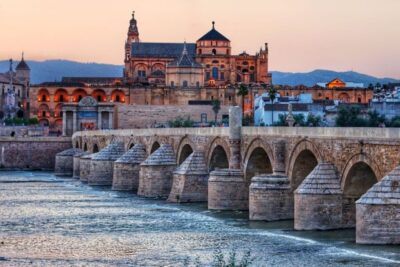
The Mercado-style stop: Zoco Municipal de Artesania
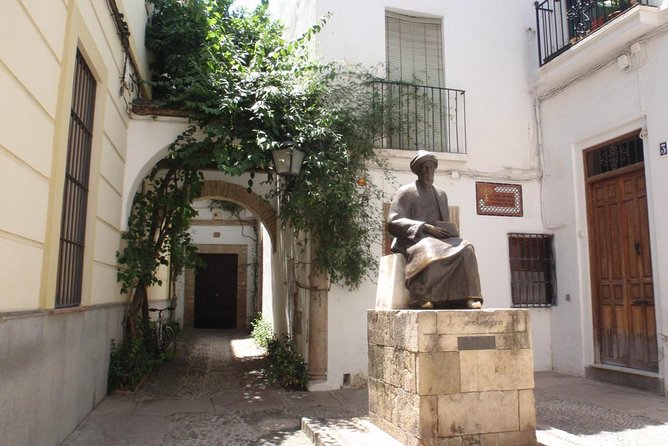
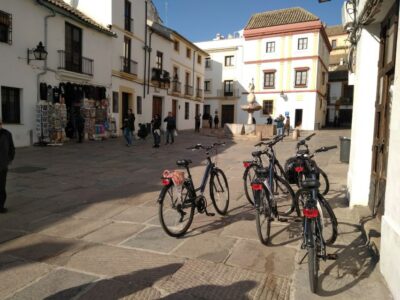
Next comes a short taste of Córdoba’s craft culture at the Zoco Municipal de Artesania, set inside a historic 16th-century mansion. This is where you can look for locally made items like Cordoban leather, filigree silverwork, and ceramics.
It’s not a giant market tour, and it’s not a shopping trap in disguise. Think of it as a pause that gives your eyes a break from monuments, while still keeping you in the Old Town’s cultural rhythm. Sometimes you’ll even catch a local guitar player, which makes the stop feel less like a photo break and more like atmosphere.
Medical history in stone: al-Gafequi and the legacy of the city’s thinkers
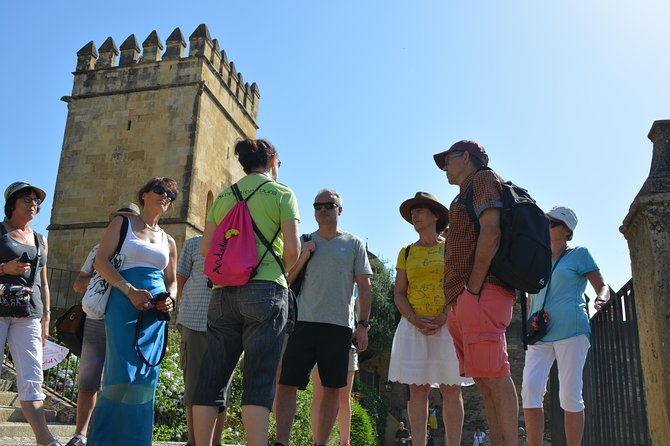
A few minutes later you’ll spot the Estatua a Mohamed Al-Gafequi, an Andalusian physician born in Córdoba in 1126. He’s remembered for advances in ophthalmology, including refining cataract surgery techniques, plus studies of eye anatomy and diseases.
It sounds like a random statue stop until you connect it to the rest of your day. Cordoba wasn’t only about monuments and faith—there was also a tradition of learning that shaped medicine and scholarship, and the tour nudges you toward that bigger picture without turning it into a lecture.
Inside an old hospital turned university: Faculty of Philosophy and Letters
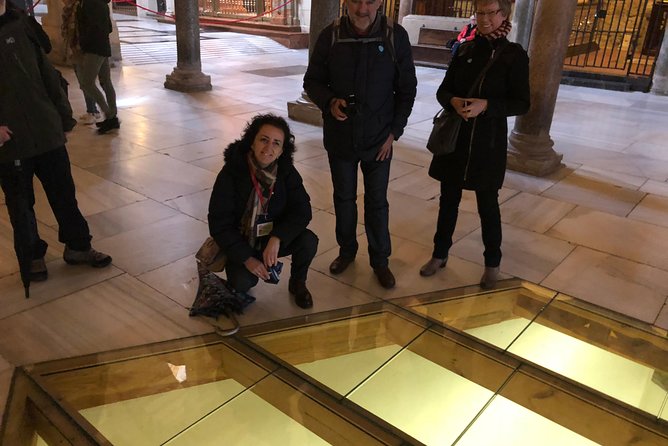
Another short stop is the Faculty of Philosophy and Letters, housed in a historic building that once served as the Hospital del Cardenal Salazar. Over time it became part of higher education, with university expansions and renovations later supporting new programs.
This one is useful because it bridges past and present. You’re seeing how older structures in Córdoba keep getting repurposed instead of being frozen in time, which helps you understand why the city feels alive even when you’re surrounded by centuries-old stone.
Mezquita-Catedral: what makes it the perfect tour finale
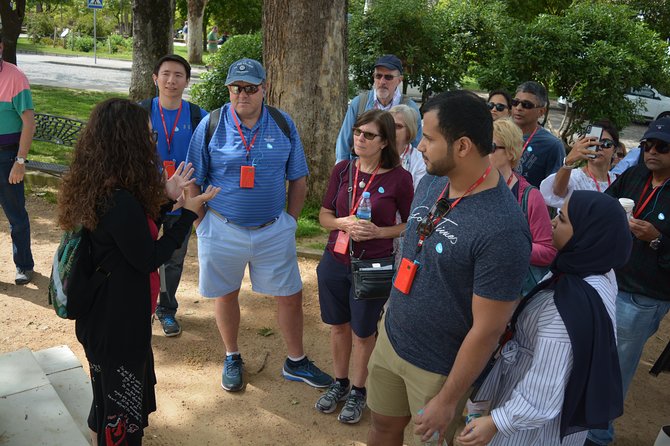
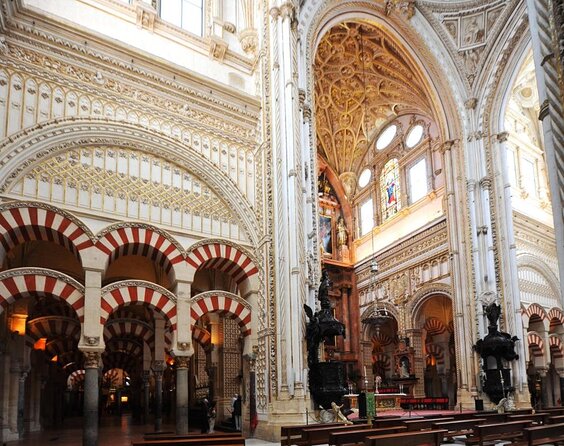
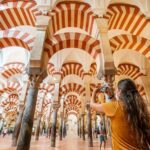
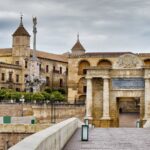
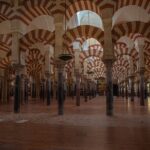
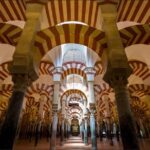
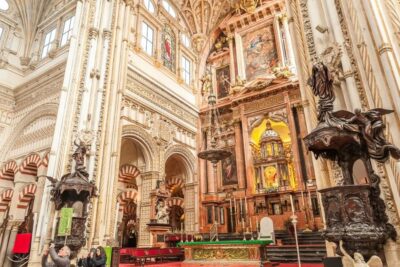
Then comes the main event: the Mezquita-Catedral of Córdoba. It started as a Visigoth basilica dedicated to San Vicente, later became a mosque, and then was converted into a Christian cathedral. That shift is the heart of why the building is unlike almost anything else.
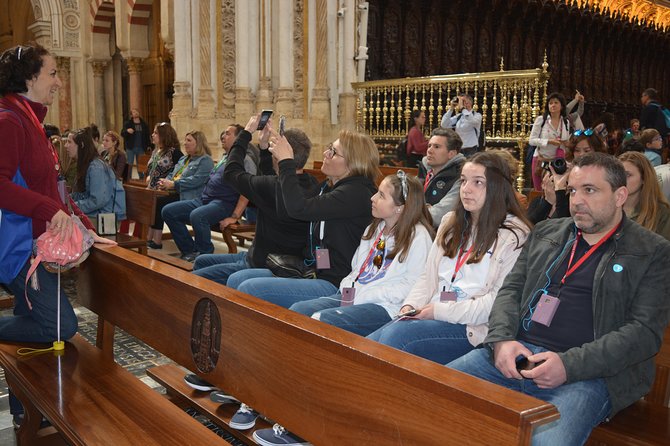
You’ll get about an hour here with the guided story, and then the best part: the tour usually ends inside the monument. That means you can stay longer for photos, slower walks down the nave, and a second look with your new context in your head.
If you’ve ever worried about being rushed through the world-famous place, this ending setup helps. It turns your tour from a quick pass into a launchpad for your own time.
Value for $66.54: what you’re really paying for
At $66.54 per person for roughly 3 to 4 hours, this is a strong deal when you factor in what’s included. You get a high-quality local official guide, plus paid admission to the Alcázar, the Synagogue, and the Mosque-Cathedral. You also get audio receivers and skip-the-line entry.
That last bit—skip-the-line—matters in Córdoba. Many of the key sites sit in tight historic areas where lines can turn minutes into a slow slog. If you’re visiting during busy periods, this is exactly where your money goes: into time you don’t lose.
One note: food and drinks aren’t included. This tour runs long enough that you’ll want to plan a snack before you start or grab something after, especially if you’re sensitive to low energy during museum-light walking days.
Timing, pacing, and group size: when the tour feels smooth vs. chaotic
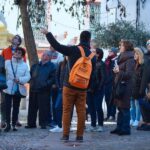
Most of the tour runs as a steady run of stops with short explanations, and that structure is why it works for many people. The audio receivers help a lot, especially when you’re not right next to the guide.
Still, a few real-world logistics issues can pop up. In some cases, additional people join mid-way, or access timing changes due to ticket schedules. That can add waiting time, and it can make the tour feel less “intensive” and more “patient.”
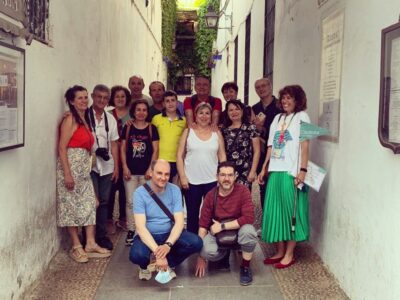
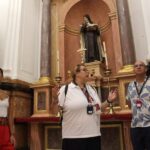
The biggest difference comes down to the guide’s English clarity and engagement. I’ve seen very positive feedback connected to guides like Paki (Paqui) and Carmen, with specific praise for humor and keeping the tour from turning into names-and-dates overload. I’ve also seen a minority of comments where the English was difficult to follow or the pacing felt rushed. Your odds improve when you choose a time slot that’s likely to be smoother and keep expectations flexible around the Synagogue.
Who this tour suits best (and who should choose a different approach)
This is a great fit if you want to hit the essentials fast and you care about context. You’ll appreciate it if you like walking a little, learning while moving, and ending with freedom inside the Mezquita-Catedral.
It may feel like a lot if you prefer long independent museum time at each site. The tour is designed to cover many stops in a short window, so the pace can be information-heavy for people who want slower, deeper study.
If you’re traveling with kids, the humor and story-driven approach can work well. And if you’re visiting on a hot day, the blend of palace interiors and major monument time is a practical advantage.
If you’re on a tight schedule, you’ll want a buffer day plan. The Synagogue timing rules and occasional site access delays mean it’s not the kind of tour to book when you can’t afford any slippage.
Should you book this Cordoba Monuments Intensive Tour?
I’d book it if you want maximum sight coverage with minimal stress. The included tickets, audio receivers, skip-the-line entry, and the ending inside the Mezquita-Catedral are the big wins, and they’re the reasons this works well even when Cordoba gets crowded.
I’d think twice if the Synagogue is your absolute must-do and your schedule can’t bend. Between Monday closures and the afternoon shutdowns on Sundays/holidays—and the possibility of line delays on the approach—you may not control that moment.
If you want the best shot at a great day, choose a time when you’re not rushing to catch a later transport right after, bring water, and give the Synagogue visit a little flexibility. When everything clicks, this is one of the cleanest ways to understand why Cordoba’s monuments feel connected rather than separate.
FAQ
Is the tour offered in English?
Yes. The tour is offered in English.
What’s included in the ticket price?
Tickets are included for the Alcázar de los Reyes Cristianos, the Córdoba Synagogue, and the Mezquita-Catedral.
Do you get skip-the-line access?
Yes. Skip-the-line access is included.
How long is the tour and when does it start?
It runs about 3 to 4 hours and starts at 10:15 am.
Will you definitely visit the Córdoba Synagogue?
The tour visits the Synagogue whenever possible, but access can be affected by lines on the narrow street. It is closed all day on Mondays and closed in the afternoons on Sundays and holidays. If you can’t go inside, the guide will explain it from the outside.
Are food and drinks included?
No. Food and drinks are not included.
More Highlights Tours in Cordoba


More Historic Centre Walking Tours in Cordoba
More Tour Reviews in Cordoba
Still deciding? Here are more Cordoba tours we have walked, tasted and timed for you


Cordoba Historic Center Walking Tours, compared.
 ★ 4.8Monuments Walking TourFrom $66479 reviews
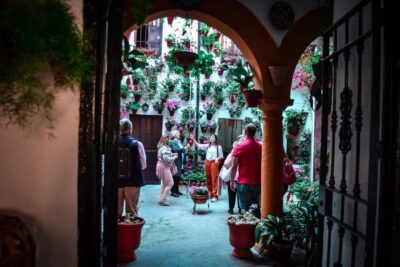 ★ 4.4Patios of Cordoba Walking TourFrom $14199 reviews
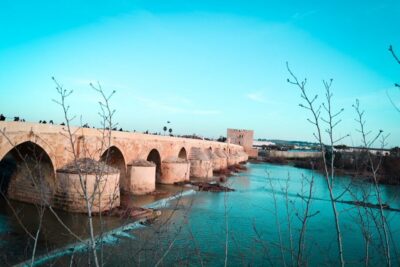 ★ 3.7Jewish Quarter Walking TourFrom $1737 reviews
★ 4.2Jewish Quarter Walking TourFrom $1131 reviews
★ 3.7Jewish Quarter Walking TourFrom $1737 reviews
★ 4.2Jewish Quarter Walking TourFrom $1131 reviews
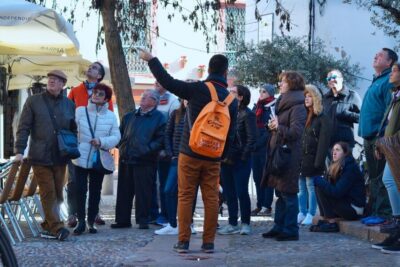 ★ 4.8Private Walking TourFrom $17022 reviews
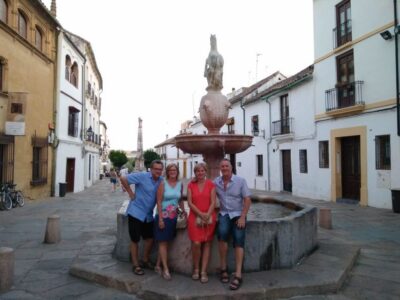 ★ 4.7Córdoba Highlights Walking TourFrom $7119 reviews
 ★ 4.5Guided tour: discover the 2 great monuments in Córdoba: Mezquita and Alcázar.From $4715 reviews
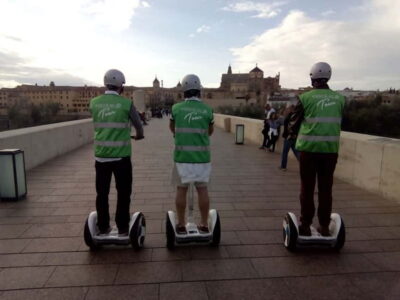 ★ 4.8Segway Tour historic centerFrom $5115 reviews
Browse the lists this tour appears in