
Reviewed · CORDOBA HISTORIC CENTER WALKING TOURS
Córdoba Highlights Walking Tour
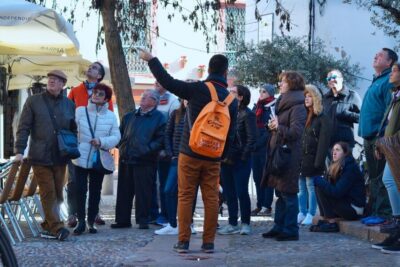
Córdoba rewards slow wandering. On this 2-hour highlights walk, I like how you get the big icons and still weave through the lanes that make the city feel alive. The tour is built around a local guide who explains what you’re seeing as you go, not after you get home.
You’ll cover the Roman Bridge, the Mosque-Cathedral (Mezquita-Catedral), Baños Califales, and the Alcázar, plus stops like Viana Palace and the Synagogue. It’s a smart mix of what everyone comes for and what’s harder to notice on your own, with time for photos and questions.
One thing to keep in mind: it moves with intention. Comfortable shoes matter because you’re walking a lot for a short visit, and you won’t have long, quiet stretches inside each place.
In This Review
- Key things I’d zero in on
- A two-hour route that hits icons without rushing you
- Start smart: Tendillas Square and how the guide sets the story
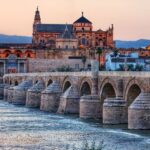
- Roman Bridge: the city’s old spine and best photo angles
- Mezquita-Catedral: reading the building like a timeline
- Roman Temple and the art of spotting layers while walking
- Viana Palace and patios: the quieter Córdoba feeling
- Alcázar: where power meets atmosphere
- Baños Califales: a calmer stop with big cultural payoff
- Synagogue: Córdoba’s religious crossroads in one stop
- How the guide works: stories, extras, and smart Q&A time
- Price and value: what $71 buys in real sightseeing time
- Who this Cordoba highlights walk is best for
- Should you book this Cordoba highlights walking tour?
- FAQ
- How long is the Cordoba highlights walking tour?
- Where is the meeting point?
- Which languages are available?
- What sights are included on the tour?
- Is the tour wheelchair accessible?
- Is food included in the price?
- Do I need a minimum number of people to join?
- What’s the cancellation policy?
Key things I’d zero in on
- A tight, 2-hour highlights route that still leaves room for questions and pictures
- Roman, Moorish, and Jewish layers you can spot while walking
- Mezquita-Catedral plus surroundings, so the building makes more sense in context
- Viana Palace and patio vibes that show a quieter Córdoba rhythm
- Guides who add extra stops, including guides like Francisco and Daniel who are praised for story detail
A two-hour route that hits icons without rushing you
This tour’s real value is pacing. Two hours sounds short, but the format is designed to keep the center of Córdoba from turning into a blur. You’re not trying to “do everything.” You’re getting the main picture, then the smaller, human details that make those famous sites click.
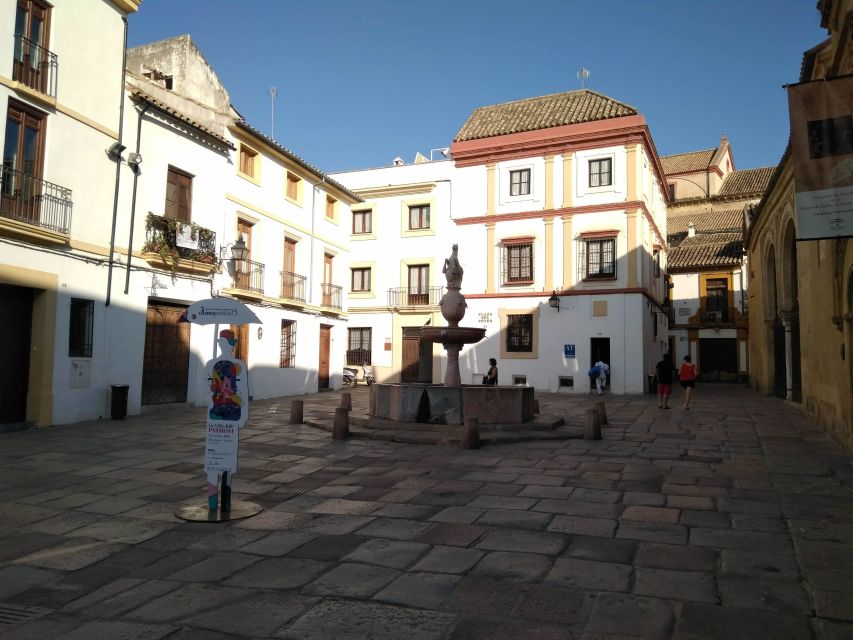
I like tours like this when my time is limited but I still want the city to feel personal. You’ll walk through narrow streets where architecture and everyday life sit close together. That kind of street-level context is exactly what makes the bigger sights feel less like postcards and more like places.
Your guide also helps you avoid the common mistake of walking past key things while focusing only on the headline attraction. Even if you’ve seen photos of the Mezquita-Catedral, you’ll get prompts on what to look for as you move. That turns the walk into a “readable route,” not a checklist.
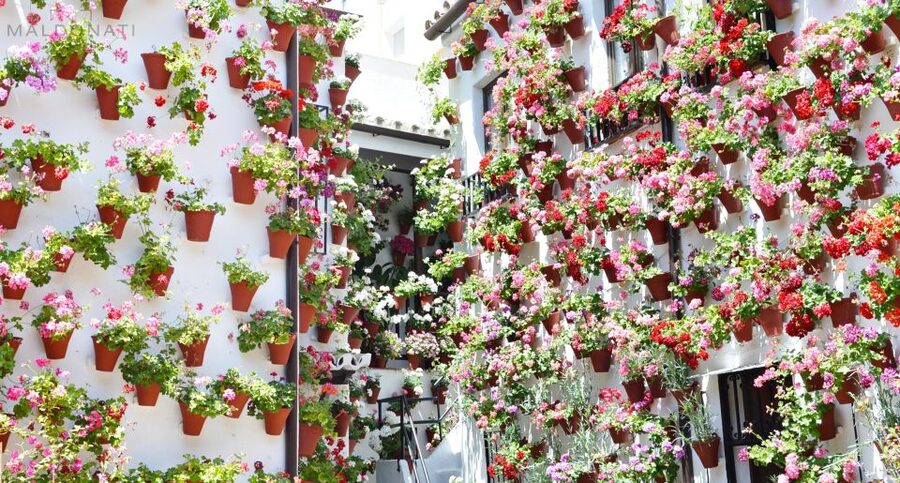
Follow more walking tours through the historic centre, the Roman Bridge and the Calleja de las Flores in Cordoba.
- Cordoba: Monuments Walking Tour
★ 4.8 · 479 reviews - Cordoba Monuments Intensive Tour in English Tickets included
★ 4.5 · 214 reviews - Patios of Cordoba Walking Tour
★ 4.4 · 199 reviews - Cordoba: Jewish Quarter Walking Tour
★ 3.7 · 37 reviews
Start smart: Tendillas Square and how the guide sets the story
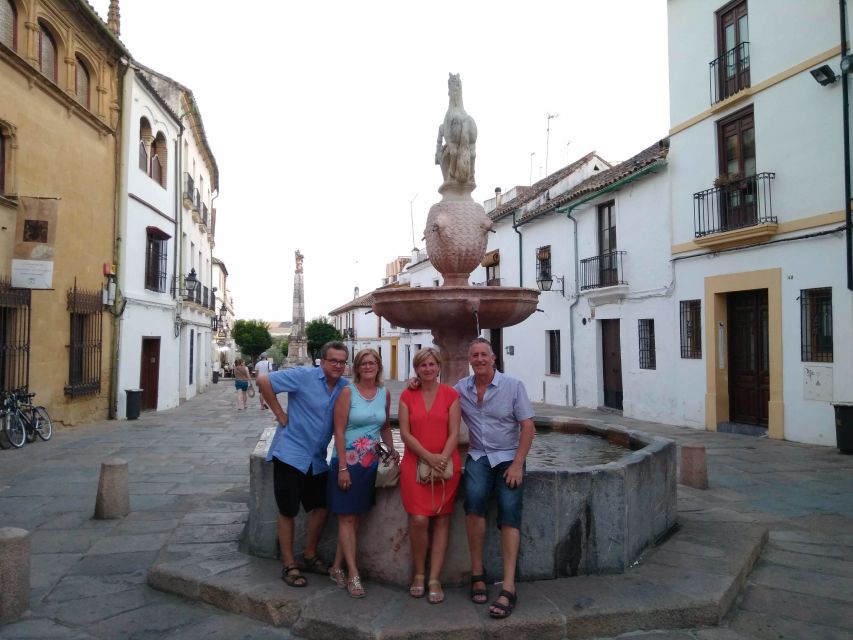
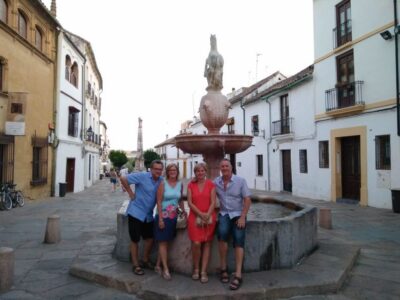
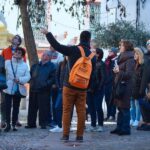
You meet at Tendillas Square, right in front of the tourist information near the fountain. It’s a practical starting point because it’s central and easy to orient from. More importantly, it sets the tone: you’re about to learn Córdoba as a layered city, not a single-time-period museum.
Expect a guide-led start that gives you the framework for the walk. That matters because Córdoba can feel complicated at first glance. Roman elements, Islamic-era power, later Christian adaptations, and the presence of a historic Jewish community all sit in the same small area. A good guide helps you understand what you’re seeing without drowning you in dates.
In the reviews, guides including Francisco and Daniel are praised for explaining things in detail and answering questions. If you like to stop and ask why something looks the way it does, this structure works well. You’re allowed to think out loud while you walk.
Roman Bridge: the city’s old spine and best photo angles
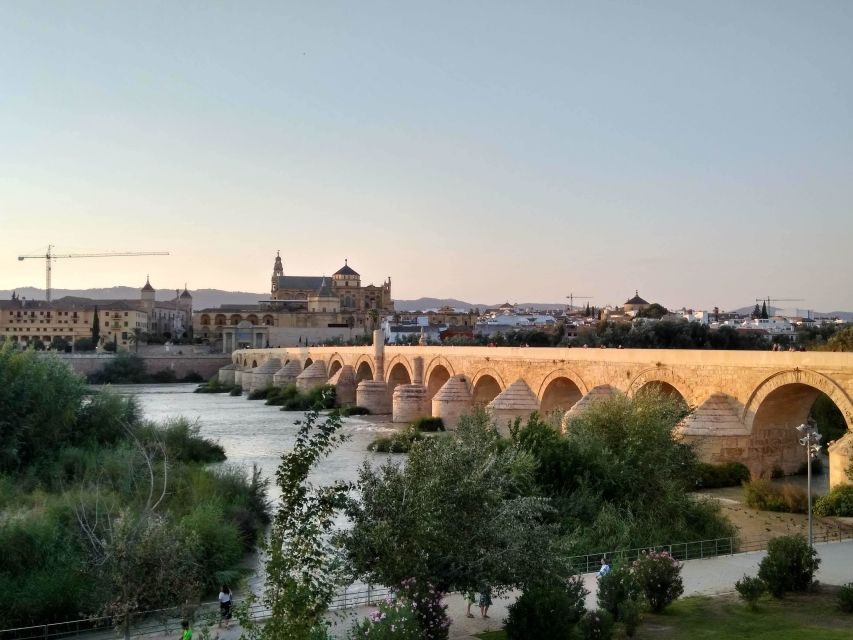
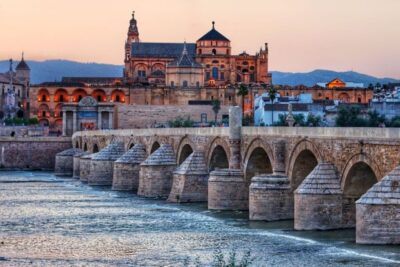
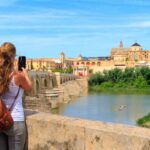
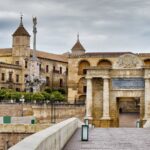
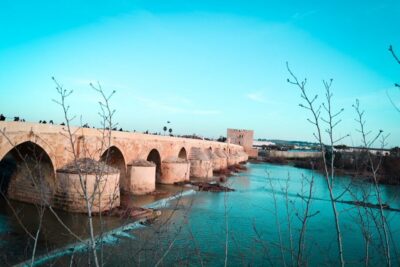
The Roman Bridge is one of those stops that gives you instant perspective. Even before you “study” anything, the bridge helps you understand how the city connects around the river. It’s also a strong photo moment because you can frame the structure with the surrounding streets and river views.
What I like here is the way it functions like a prologue. You’re not jumping straight into the biggest building first. You’re starting with a piece of the city that hints at how Córdoba has been shaped over time. The guide’s stories turn the bridge from just a crossing into a reference point.
You’ll also get a sense of the direction the walk takes. That helps your brain build a map quickly, so the rest of the highlights don’t feel random. If you’ve ever wandered Córdoba alone and ended up zigzagging without meaning, you’ll appreciate how this route keeps you moving with purpose.
Mezquita-Catedral: reading the building like a timeline
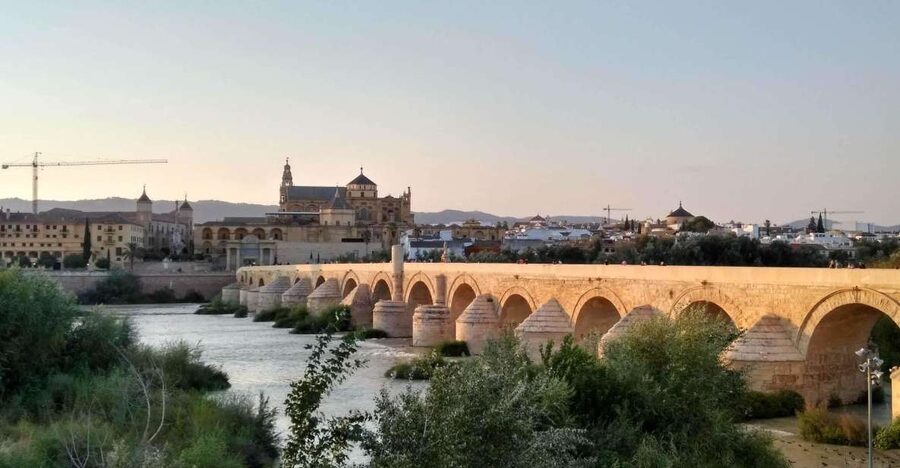
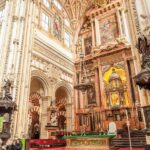
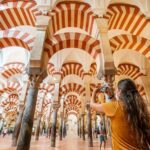
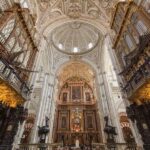
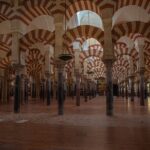
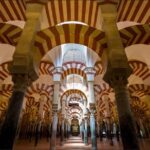
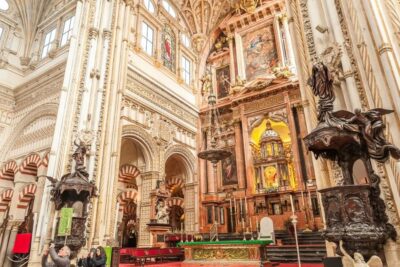
The Mosque-Cathedral, or Mezquita-Catedral, is the headline stop for a reason. It’s the kind of place where your eyes can get busy fast—arches, columns, light, and design choices that change the mood as you move.
On this tour, the best part isn’t just that you reach it. It’s that you reach it as part of a larger story. Your guide helps you connect what you notice on-site to the wider context of Córdoba’s Moorish history, legends, and culture. That makes the visit feel more coherent, especially if you don’t want to spend hours reading your way through.
Even if you’ve been before in other cities, you’ll feel the difference here. The building doesn’t “just” look beautiful. It’s a powerful visual lesson in how eras overlap. With a guide, you’ll know what details to pay attention to as you approach and as you stand there with time for photos.
Cover the essentials in one go with more highlights tours of Cordoba.
Roman Temple and the art of spotting layers while walking
Not every highlight tour includes the Roman Temple stop, and that’s exactly why it’s useful. Córdoba isn’t just about the Mezquita-Catedral. The Roman past is part of the fabric, and seeing a Roman Temple helps you place the city’s scale and long timeline into something you can actually look at.
This is also where walking beats jumping into a car. You get continuity. One sight leads to the next, and your eyes start “learning patterns.” You begin to recognize what belongs to which tradition, not perfectly, but enough to feel oriented.
If you like thoughtful sightseeing—where the guide points out what you might otherwise overlook—this section is a good example. And because the tour is only two hours, the stop choices are made to produce clarity fast rather than overwhelming you.
Viana Palace and patios: the quieter Córdoba feeling
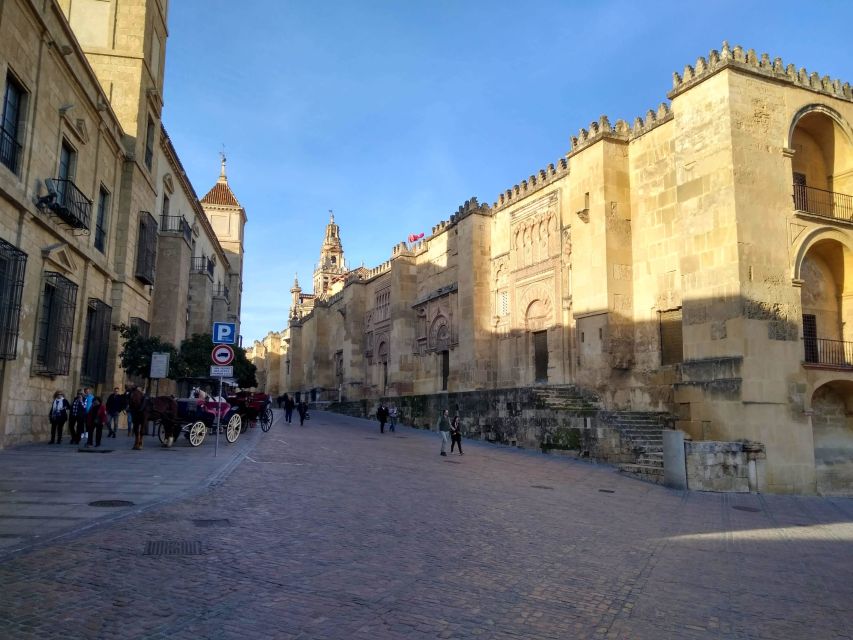
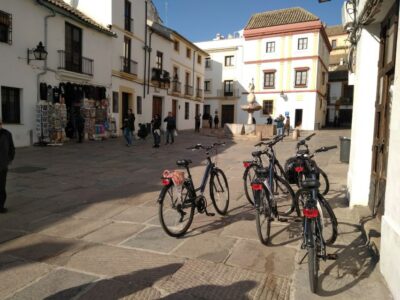
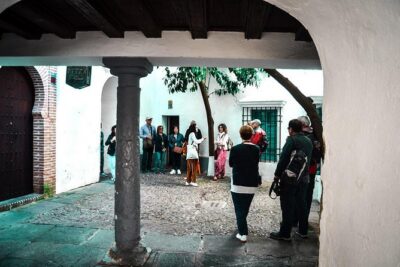
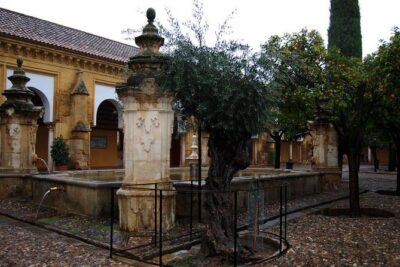
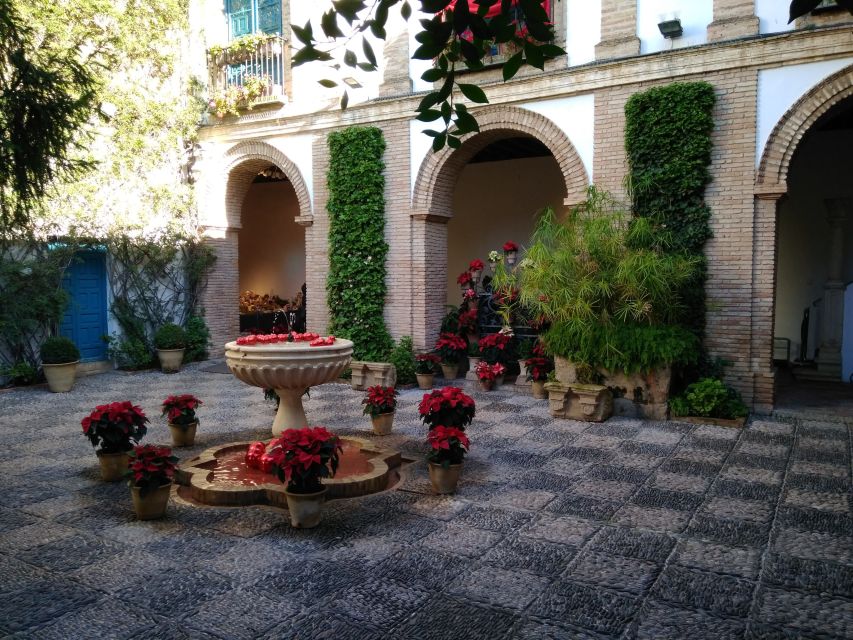
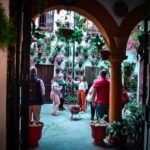
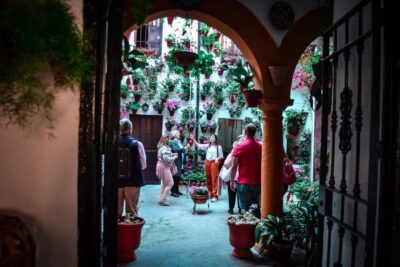
Viana Palace brings a different mood to the tour. Instead of only monumental sights, you get a sense of Córdoba as a lived-in place shaped by patios and everyday beauty. It’s a welcome change of pace, especially if you’ve been mentally bracing for big crowds and heavy museum energy.
Patios in Córdoba aren’t just decoration. They reflect a local idea of outdoor life, shade, and social space. When your guide includes Viana Palace, you’re getting Córdoba beyond the headline. You also get a break from the “stand and stare” approach that can make walking tours feel exhausting.
In practical terms, this stop is also a great photo opportunity. If you time it right, the lighting and angles in patio-style spaces make for images that feel distinct from the usual cathedral views. It’s one of those moments where the city looks like the version you dreamed about.
Alcázar: where power meets atmosphere
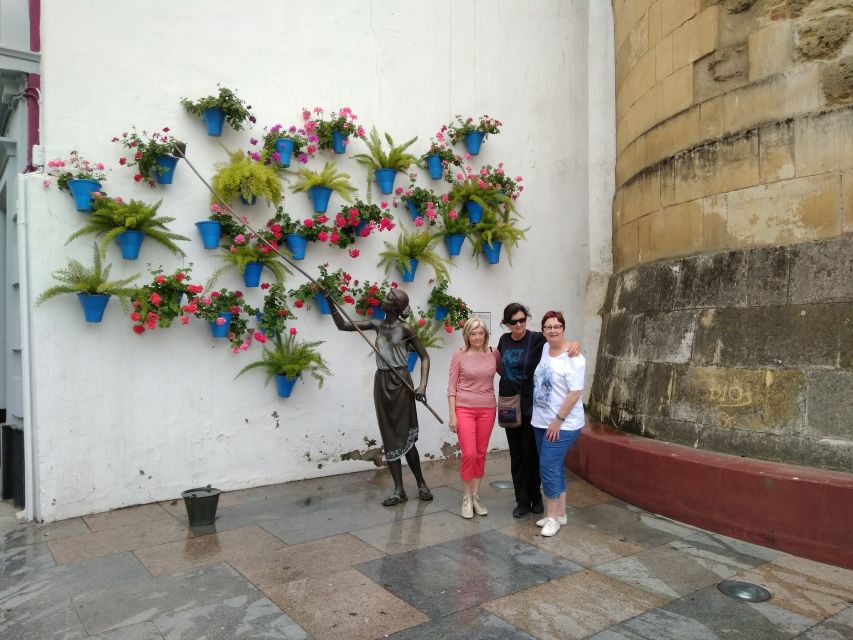
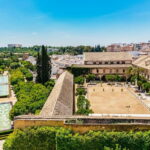
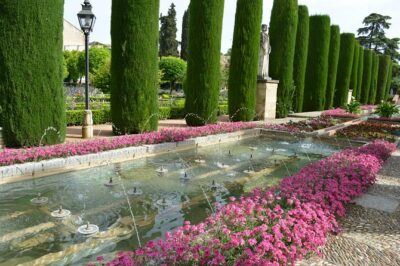
The Alcázar is another centerpiece on the route, and it helps round out the city’s story. This is where you start to feel the idea of Córdoba as a place of authority, defense, and control—without needing to read a textbook.
What I like about including the Alcázar in a compact route is that it balances the religious and historical gravity of the Mezquita-Catedral with a different kind of significance. Your guide’s explanations help you see how different spaces in Córdoba were built for different kinds of life and power.
You’ll also get good context for the legends and culture the tour promises. Even if you’re not a “legend collector,” the guide’s storytelling makes the sights feel less like isolated stops. They become chapters in the same book.
Baños Califales: a calmer stop with big cultural payoff
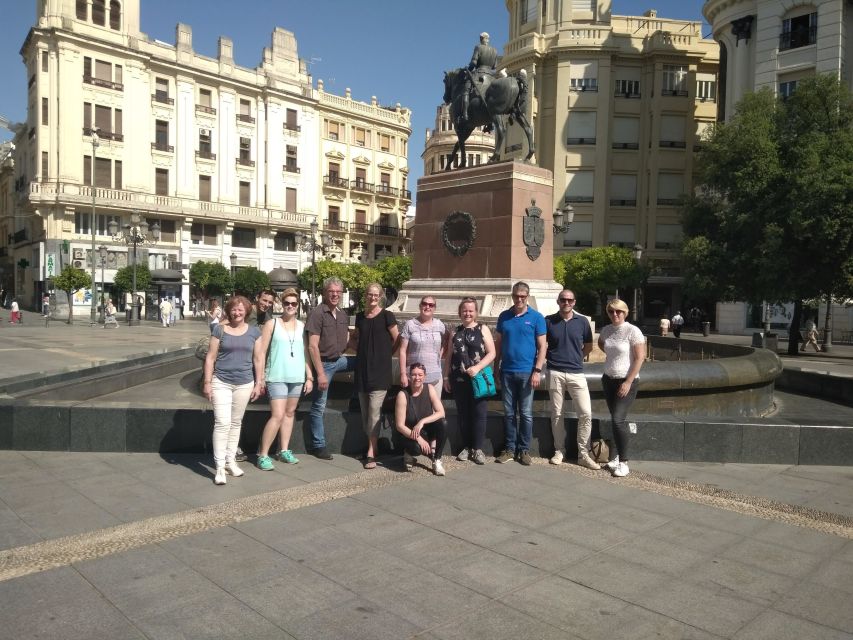
Baños Califales are one of those names you remember after the fact. They hint at Moorish-era culture and the idea of public and private comfort—something other than grand architecture alone.
This stop works well inside a walking highlights tour because it’s a change in atmosphere. After major outdoor and monumental spaces, you get a moment that feels more intimate. You’ll likely look at the setting differently once you understand why these baths mattered and how they fit into Córdoba’s broader Moorish story.
Even if you’re not an architecture specialist, the guide’s role here is key. They help you make sense of what you’re seeing, so it feels meaningful rather than just another “look at the building” stop. The tour also includes time for questions, which is ideal here if you want to ask how the different eras relate.
Synagogue: Córdoba’s religious crossroads in one stop
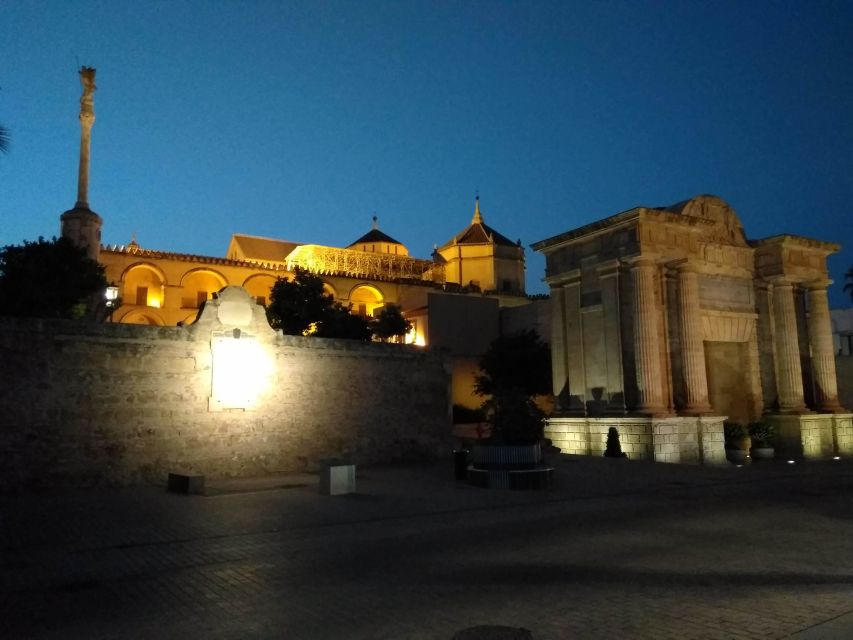
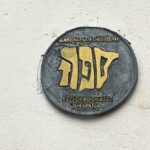
The Synagogue stop ties together the idea that Córdoba wasn’t only shaped by one community. When your route includes the Synagogue alongside Roman and Moorish landmarks, the city starts to feel like a real crossroads of faiths and cultures.
It’s the kind of stop that benefits from a guide’s framing. Without it, you might notice the site and move on. With it, you understand the importance of its place in the city’s layered identity.
This is also where the “magic of Córdoba” feels most grounded. Not in a fantasy sense, but in the way the city holds multiple histories in the same streets. A walking tour that includes this stop makes the highlights feel like a bigger, more human story.
How the guide works: stories, extras, and smart Q&A time
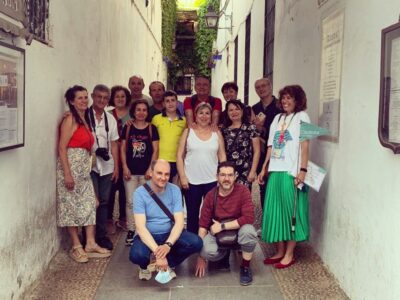
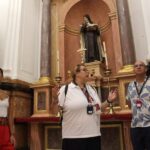
A big reason this tour scores well is the guide experience. Francisco is specifically praised for being personable, explaining in detail, and taking people to sights that go beyond what you might find alone. Daniel is also mentioned for leading informative tours in German, with the sense that questions were welcome.
You can expect your guide to do more than point. They’ll connect what you see to what it means in Córdoba’s culture and history. And crucially, you’ll have time for questions. That’s where the tour becomes useful beyond the two-hour window. You’ll leave with ideas for what to look for next as you wander the rest of the center on your own.
The tour is also described as showing a smaller part of town in addition to the main sites. That matters because it reduces the “see it, snap it, leave it” feeling. You get to experience the narrow streets and patios in motion, and the guide’s commentary keeps the whole route from turning into background noise.
Price and value: what $71 buys in real sightseeing time
At $71 per person for about 2 hours, you’re paying for two things: a structured route and a skilled local guide. What you’re not paying for is long museum time or meals (which aren’t included).
Is it “worth it”? For me, yes—if you want orientation and explanation more than you want to wander randomly. Córdoba is a city where context matters. Walking past the Mezquita-Catedral without guidance can still be stunning, but guidance makes it easier to understand why the details matter.
You’ll also save time versus building a route yourself and trying to decide what belongs where. This tour includes multiple key stops—Roman Bridge, Mezquita-Catedral, Baños Califales, Alcázar, Viana Palace, and the Synagogue—so you’re not losing precious hours to map work.
Practical value tip: bring a phone camera mindset and a question mindset. The tour explicitly leaves room for photos and Q&A. If you show up ready to ask what you’re looking at, you’ll get more out of the same two hours.
Who this Cordoba highlights walk is best for
This tour fits best if you:
- Want a guided overview without committing to a long day
- Prefer walking the historic center more thoroughly rather than “only hitting icons”
- Like cultural storytelling and learning how different eras overlap
- Want help spotting what matters while you still have energy for the rest of your Córdoba time
If you’re the type who loves to read everything slowly, you might find two hours a bit too fast. But you can treat this as your orientation tour, then return later for deeper time on the specific places that grab you most.
It’s also a good choice if you’re traveling with someone who wants structure. A local guide smooths out the complexity, so the day stays enjoyable rather than stressful.
Should you book this Cordoba highlights walking tour?
I’d book it if you’re aiming for smart first impressions and want Córdoba explained as you walk through it. The itinerary choices are practical: Roman Bridge, Mezquita-Catedral, Baños Califales, Alcázar, Viana Palace, and the Synagogue cover the major story beats in a compact loop.
The biggest green flags for me are the guide focus and the time allowance for pictures and questions. Reviews highlight guides like Francisco and Daniel for detailed, personable explanations and for adding extra sights beyond the obvious. If that kind of guidance matters to you, this is a strong use of your time.
Skip it only if you already feel fully oriented, you hate walking on packed historic streets, or you’re expecting long, in-depth time inside multiple major sites.
FAQ
How long is the Cordoba highlights walking tour?
The tour lasts 2 hours.
Where is the meeting point?
You meet at Tendillas Square in front of the tourist information near the fountain.
Which languages are available?
The tour is available in Dutch, English, and German.
What sights are included on the tour?
You’ll see Tendillas Square, Roman Bridge, Mosque-Cathedral (Mezquita-Catedral), Roman Temple, Viana Palace, the Alcázar, Baños Califales, and the Synagogue.
Is the tour wheelchair accessible?
Yes, the tour is wheelchair accessible.
Is food included in the price?
No. Meals and drinks are not included.
Do I need a minimum number of people to join?
Yes. A minimum of 2 people is required.
What’s the cancellation policy?
You can cancel up to 24 hours in advance for a full refund.
More Highlights Tours in Cordoba

More Historic Centre Walking Tours in Cordoba
More Tour Reviews in Cordoba
Still deciding? Here are more Cordoba tours we have walked, tasted and timed for you


Cordoba Historic Center Walking Tours, compared.
 ★ 4.8Monuments Walking TourFrom $66479 reviews
 ★ 4.5Cordoba Monuments Intensive Tour in English Tickets includedFrom $66214 reviews
 ★ 4.4Patios of Cordoba Walking TourFrom $14199 reviews
 ★ 3.7Jewish Quarter Walking TourFrom $1737 reviews
★ 4.2Jewish Quarter Walking TourFrom $1131 reviews
★ 3.7Jewish Quarter Walking TourFrom $1737 reviews
★ 4.2Jewish Quarter Walking TourFrom $1131 reviews
 ★ 4.8Private Walking TourFrom $17022 reviews
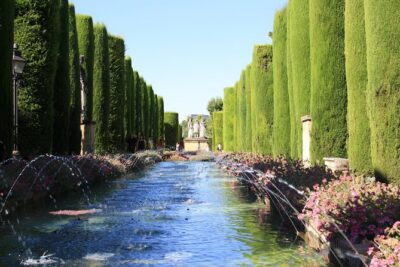 ★ 4.5Guided tour: discover the 2 great monuments in Córdoba: Mezquita and Alcázar.From $4715 reviews
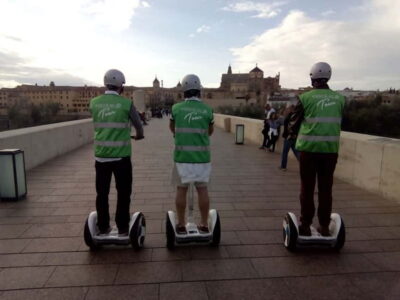 ★ 4.8Segway Tour historic centerFrom $5115 reviews
Browse the lists this tour appears in