
Reviewed · CORDOBA HISTORIC CENTER WALKING TOURS
private guided walking tour of the historic center of Córdoba
Córdoba rewards slow looking, and this private route makes it easy. In about 1 hour 30 minutes, you move through the historic center’s biggest landmarks with clear context for how Roman, Castilian, and Al Andalus eras shaped the city.
I really like the mix of famous stops and street-level details: you get the big sights like the Roman Temple plus photo-ready lanes like Calleja de las Flores. I also like that the guide is excellent at communicating; the name that shows up in past experiences is Lucía, and the focus is on pointing out corners many people miss on their own.
One thing to consider: it’s a walking tour with a moderate pace through compact streets, and it runs best with good weather. If you’re hoping to stop for long breaks often, you may feel a bit rushed with so many highlights packed in.
In This Review
- Key highlights you’ll remember
- A 90-minute route through Córdoba’s Roman-to-Moorish layers
- Plaza de las Tendillas: the walk starts where the city gathers
- Roman Temple: the city’s oldest monument story begins with a surprise
- Plaza de la Corredera: a unique Castilian layout in Andalusia
- Plaza del Potro: art museums and the personality of a smaller square
- Roman Bridge to Calahorra Tower: a classic view with Al Andalus context
- Puerta del Puente: a preserved city gate with walled-city meaning
- Patio de los Naranjos: where the garden does the talking
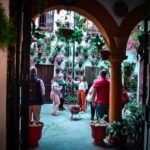
- Calleja de las Flores: the perspective street that looks designed
- Calleja del Panuelo: the narrowest street with legend energy
- Price and value: what $71.15 buys you in Córdoba
- Who this private walk suits best
- Should you book this guided walk?
- FAQ
- FAQ
- How long is the private guided walking tour of Córdoba’s historic center?
- Is this tour private or shared with other groups?
- Where do we meet, and where does the tour end?
- Is pickup offered?
- What’s included in the $71.15 per person price?
- Are tickets or admission fees needed for the sights?
- Is transport included?
- Is there a minimum fitness level?
- What’s the cancellation policy if weather is poor?
Key highlights you’ll remember
- Lucía-style clarity: explanations that tie each landmark to the next stop
- Roman to Al Andalus in one loop: you see the city’s layers without needing a map lecture
- Free-admission stops: the route is built around sights where you generally won’t pay entry fees during the walk
- Patio de los Naranjos: known as the oldest and largest living garden in Europe
- Calleja de las Flores and Calleja del Panuelo: perspective views plus the extreme narrowness of about 50 cm
A 90-minute route through Córdoba’s Roman-to-Moorish layers
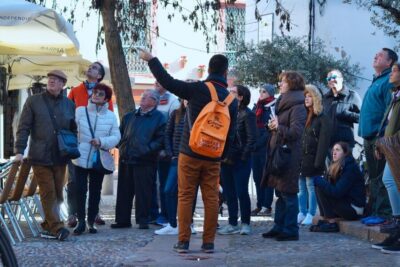
This is the kind of tour that helps you get your bearings fast. Córdoba can feel like a maze—lovely, but easy to get turned around—so having a certified guide matters. In a short window, you’ll connect major pieces: Roman-era remains, medieval Spanish plazas, and the Al Andalus world that still shapes the city today.
Because it’s private, you’re not stuck waiting for a crowd. You can also ask questions as you go, which is useful when the city looks similar street to street. The walk works best as a first visit or a quick “greatest hits” refresher when you don’t have time to line up multiple tours.
Follow more walking tours through the historic centre, the Roman Bridge and the Calleja de las Flores in Cordoba.
- Cordoba: Monuments Walking Tour
★ 4.8 · 479 reviews - Cordoba Monuments Intensive Tour in English Tickets included
★ 4.5 · 214 reviews - Patios of Cordoba Walking Tour
★ 4.4 · 199 reviews - Cordoba: Jewish Quarter Walking Tour
★ 3.7 · 37 reviews
Plaza de las Tendillas: the walk starts where the city gathers
Most mornings, Plaza de las Tendillas feels like Córdoba’s social living room. It’s one of the city’s main squares, the place where daily life happens and where cultural events—concerts and exhibitions—tend to take over. On this route, it’s not just a starting point. You’ll get a quick sense that the square has changed over time, and you’ll learn about the different stages of how it became the place you see now.
Practical tip: arrive a few minutes early and take a quick scan of the square. You’re going to use it as your reference point later when the streets start narrowing.
Roman Temple: the city’s oldest monument story begins with a surprise
Then comes one of Córdoba’s best “how did they find this?” moments: the Roman Temple. It’s described as the oldest monument in the city, from Roman times, and it was discovered by chance. That detail matters because it frames what you’re looking at. You’re not just seeing stones; you’re hearing why the discovery changed how Córdoba tells its own story.
This stop is short, but that’s part of the value. Your guide uses the time to put the structure in context, so when you glance at it afterward on your own, you know what era you’re looking at and why it matters.
Plaza de la Corredera: a unique Castilian layout in Andalusia
Plaza de la Corredera is where Córdoba shifts again. It’s the only plaza in Andalusia with a Castilian layout, and the design gives it a distinct feel compared with other Spanish squares. If you’ve spent time in southern Spain, you’ll notice how much a square’s proportions change the mood of the entire neighborhood.
This is a good “reset stop.” You step out of the tight streets, look at the geometry of the plaza, and let your guide explain the uniqueness of the layout. Even if you don’t plan to linger long, it gives you a grounded sense of how architecture and history communicate.
A few more Cordoba tours and tickets worth a look before you book.
Plaza del Potro: art museums and the personality of a smaller square
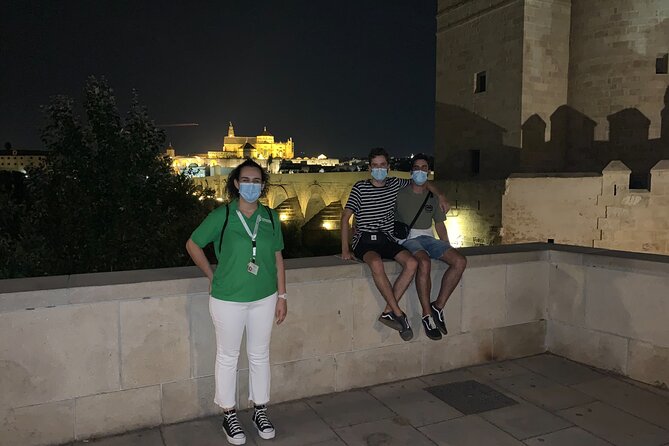
Next is Plaza del Potro, a name you’ll hear linked to Córdoba’s cultural scene. The area is also associated with the museum of artist Julio Romero de Torres, plus a Fine Arts museum. Even if you don’t go inside during the tour, you’ll understand that this isn’t just a photogenic pause. It’s a place where Córdoba connects visual art to identity.
Why it works on a walking tour: you get the sense of place without turning it into a museum day. If you want, you can treat this stop like a bookmark—something to revisit later when you have time to go slowly.
Roman Bridge to Calahorra Tower: a classic view with Al Andalus context
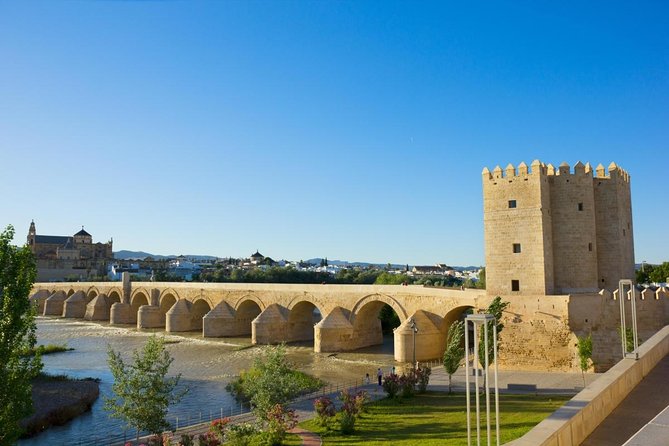
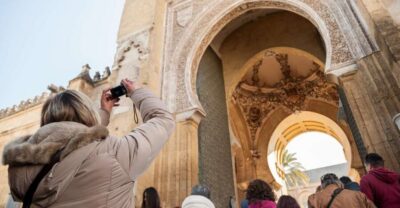
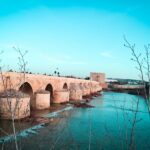
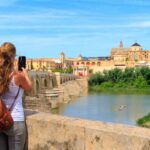
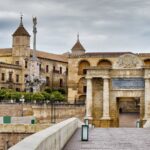
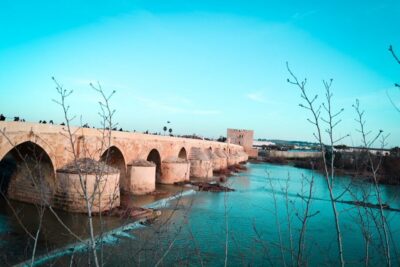
One of Córdoba’s monuments you’ll want to see in person is the Roman Bridge. From Roman times, it was modified over the years, and it’s connected—conceptually and historically—to the bridge gate and Calahorra Tower. This stop is short, but it’s exactly the kind of moment where a guide earns their fee: you’ll learn how modifications happened and why the bridge area is considered of cultural interest as a set, not as isolated sights.
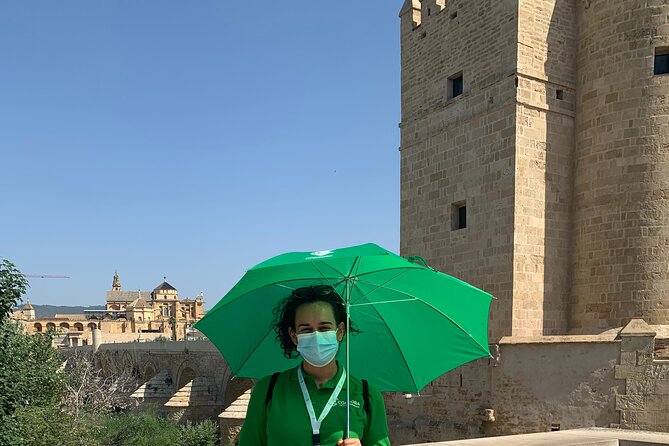
Then you move to Calahorra Tower, one of the less-visited monuments. That can be a plus. You’re not just chasing crowds—you’re getting a calmer angle on the river and the city. Calahorra also houses a museum dedicated to Al Andalus, so your visit isn’t only about the tower’s exterior. You’ll get the context that ties the tower to the broader Moorish history still visible around Córdoba.
Practical note: because this part is tied to views and river-adjacent perspectives, it can feel breezier than the interior streets. If weather is cooler or windy, plan a light layer.
Puerta del Puente: a preserved city gate with walled-city meaning
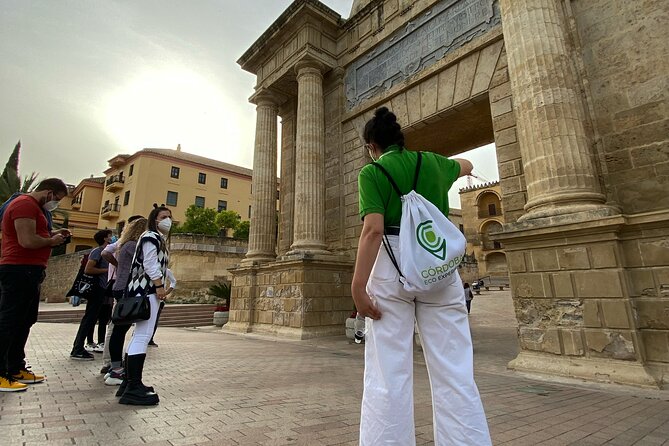
Puerta del Puente is one of the doors preserved from the time when Córdoba was a walled city. That phrase matters because it turns a gate into a historical idea. You’ll see the structure and understand the purpose: controlling movement, defining boundaries, and shaping how the city expanded.
Even if you’re not a history buff, gates like this help you read the city. They explain why certain neighborhoods developed where they did, and they give you a sense of direction as you continue toward the Mosque-Cathedral area.
Patio de los Naranjos: where the garden does the talking
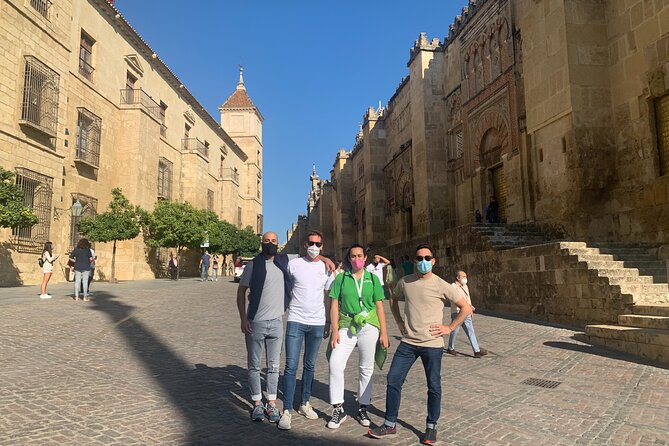
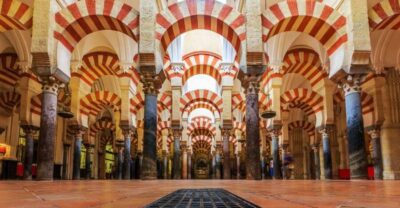
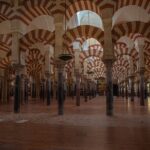
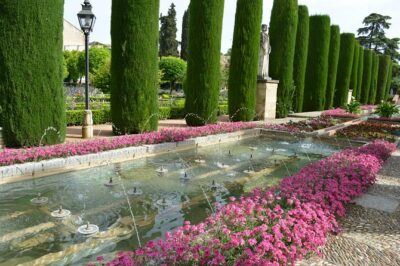
Now you step into Patio de los Naranjos, often described as the oldest and largest living garden in Europe. That’s a big claim, and the atmosphere backs it up. This isn’t about rushing through for a photo. It’s the kind of courtyard space where you naturally slow down because the setting invites it.
Expect an iconic blend of living greenery and historic architecture. Your guide’s job here is to keep the stop from becoming only decorative. You’ll learn why this courtyard is so important in the Cordoban imagination and how the garden concept fits into the city’s Al Andalus legacy.
Practical tip: if you’re visiting midday, this courtyard can offer some welcome relief compared with the hottest stretches of street walking.
Calleja de las Flores: the perspective street that looks designed
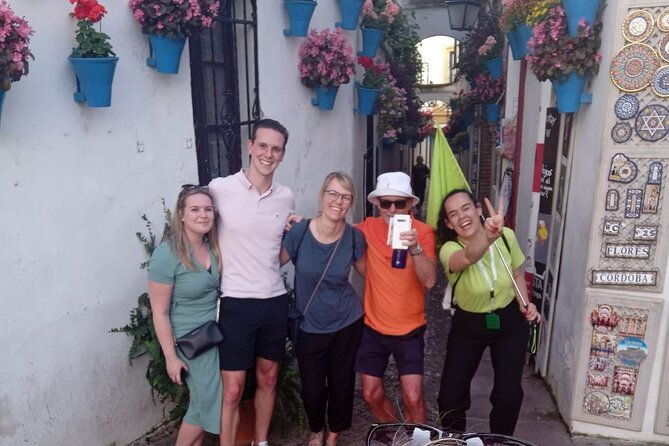
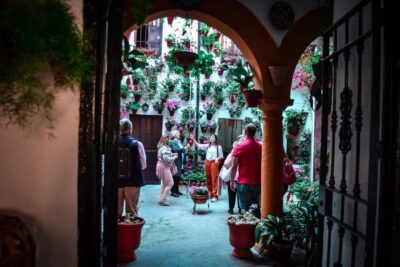
Calleja de las Flores is one of Córdoba’s most popular streets, and for good reason. Your guide points out what makes it iconic: the perspective line that frames a bell tower alongside the caliphal arches of the alley. That’s the key. This isn’t just a pretty street—it’s a “look here” street. Once you see the perspective, you can’t unsee it, and your photos start making sense.
If you like street photography, this is a top stop. If you don’t, it still works because your guide tells you exactly what element to watch for, so you get the most out of a short walk.
Calleja del Panuelo: the narrowest street with legend energy
Then comes the star of tight squeezing: Calleja del Panuelo, known as the narrowest street in the city at just 50 cm. That number is wild, and it helps you understand why this lane is famous. The tour also shares that Cordovan people know it for fantastic legends, so the street isn’t only an engineering oddity—it has story power.
Practical note: narrow streets can feel crowded quickly, so keep your pace steady and don’t expect room for detours. Also, it’s a good idea to lift your phone and frame up fast. You’ll get the shot; you won’t need to linger in the pinch point.
Price and value: what $71.15 buys you in Córdoba
At $71.15 per person for about 90 minutes, you’re paying for three things: a certified guide, a tight route through major landmarks, and an efficient way to understand what you’re seeing. Since the stops list indicates free admission at each site, you’re not stacking entry costs on top of the tour price.
Also included: all fees and taxes, plus the guide. Pickup is offered, and you’ll use a mobile ticket. Transport to and from the meeting point isn’t included, so plan your arrival accordingly.
Is it a deal? For a first-time visit, yes, because Córdoba’s historic center can be expensive if you try to piece together separate tickets, separate audio guides, and multiple “must-see” detours. Here, you’re paying for someone to connect the dots in walking form.
Who this private walk suits best
This tour fits you if you want a clean way to experience Córdoba’s historic center without spending a day bouncing between scattered stops. It’s also a great choice if you enjoy architecture, monuments, and the little street details that make cities feel lived-in.
It may be less ideal if you need long, slow pauses at each stop or you prefer to do museums for hours. The route moves through 10 emblematic stops in a limited time, so you’ll get depth through guidance, not through extended time on one location.
Should you book this guided walk?
Yes, if you’re aiming to understand Córdoba’s layers quickly and you value a guide who explains clearly. The standout from past experiences is that the communication is strong—especially with guides like Lucía—and that you come away with corners you wouldn’t naturally choose on your own.
Book it with good-weather expectations. When the weather cooperates, this kind of compact route feels smooth and fun. And if plans change, the operator notes free cancellation up to 24 hours before start time for a full refund.
FAQ
FAQ
How long is the private guided walking tour of Córdoba’s historic center?
It lasts about 1 hour 30 minutes.
Is this tour private or shared with other groups?
It’s private. Only your group participates.
Where do we meet, and where does the tour end?
The tour starts at Plaza de las Tendillas in Córdoba. It ends at Alcázar de los Reyes Cristianos, and the walk finishes by the Cathedral Mosque area near the Primo de los Naranjos.
Is pickup offered?
Yes, pickup is offered.
What’s included in the $71.15 per person price?
All fees and taxes are included, along with a certified guide.
Are tickets or admission fees needed for the sights?
The listed stops show admission ticket free for each site on the route.
Is transport included?
No, transport is not included.
Is there a minimum fitness level?
You should have a moderate physical fitness level.
What’s the cancellation policy if weather is poor?
Free cancellation is available up to 24 hours in advance for a full refund. The experience notes it requires good weather, and if it’s canceled due to poor weather, you’ll be offered a different date or a full refund.
More Tours in Cordoba
More Historic Centre Walking Tours in Cordoba
More Tour Reviews in Cordoba
Still deciding? Here are more Cordoba tours we have walked, tasted and timed for you




Cordoba Historic Center Walking Tours, compared.
 ★ 4.8Monuments Walking TourFrom $66479 reviews
 ★ 4.5Cordoba Monuments Intensive Tour in English Tickets includedFrom $66214 reviews
 ★ 4.4Patios of Cordoba Walking TourFrom $14199 reviews
 ★ 3.7Jewish Quarter Walking TourFrom $1737 reviews
★ 4.2Jewish Quarter Walking TourFrom $1131 reviews
★ 3.7Jewish Quarter Walking TourFrom $1737 reviews
★ 4.2Jewish Quarter Walking TourFrom $1131 reviews
 ★ 4.8Private Walking TourFrom $17022 reviews
 ★ 4.7Córdoba Highlights Walking TourFrom $7119 reviews
 ★ 4.5Guided tour: discover the 2 great monuments in Córdoba: Mezquita and Alcázar.From $4715 reviews
Browse the lists this tour appears in