
Reviewed · CORDOBA TAPAS, COOKING & FOOD TOURS
Paella and Salmorejo 2-Hour Cooking Class in Córdoba
Cooking class in Córdoba sounds touristy until you’re standing over a real recipe. This one is built around two local icons: Cordobesian-style paella and salmorejo, taught step by step in a compact group setting. You’ll also hear about why these dishes exist in the city’s food culture, not just how to make them.
I especially liked how the instructors focus on process. Chef Adrian (and hosts like Bárbara) explains what ingredients do, and how you can tell when something is ready by smell and even sound, not just timing. I also appreciate that the class includes hands-on practice and then you eat what you cooked, paired with local wine.
One thing to consider: the paella type can vary by season (seafood, meat, or vegetables). If you care about a specific version, ask ahead so you’re not disappointed when the ingredients shift with the week.
In This Review
- What makes this cooking class worth your time
- Getting to the class: an easy start in Córdoba’s center
- The setting: a winery/cellar kitchen where you actually cook
- Paella in Cordobesian style with Perol Cordobés
- Salmorejo: Córdoba’s thick tomato-and-bread cream
- The meal rhythm: cook, taste, learn, then eat
- What you’ll learn that actually transfers to your kitchen
- Price and value in Córdoba: what you’re paying for
- Who this cooking class is best for
- Should you book this paella and salmorejo class?
- FAQ
- How long is the Paella and Salmorejo cooking class in Córdoba?
- Where do I meet for the cooking class?
- What dishes will I learn to make?
- Is wine included?
- Will there be flamenco?
- What group size should I expect?
- What happens if the weather is poor?
What makes this cooking class worth your time
- Small group, max 10 people means you get real attention while you chop, cook, and blend.
- Paella in Córdoba style uses the Perol Cordobés setup, so you cook it the way locals do.
- Salmorejo step-by-step: tomato and bread become a thick, creamy soup, with mixing techniques you can repeat at home.
- History + practical tips: you get a short background on both dishes plus where to eat and drink in Córdoba.
- Wine and flamenco are part of the pacing, turning your meal into a mini cultural stop.
- Old winery / cellar-style kitchen setting adds atmosphere, making the class feel like an event rather than a demo.
Getting to the class: an easy start in Córdoba’s center
The class starts at 1:00 pm at Things to Do Córdoba, on C. Carlos Rubio, 11, LOCAL, Centro, 14002 Córdoba. You’ll walk from there to the cooking spot, then return to the meeting point at the end.
Why this matters: Córdoba’s sights are spread out just enough that a central meetup keeps the day smooth. And starting at lunchtime works well because you’re basically turning the class into your meal instead of paying for lunch twice.
Also, the tour notes a mobile ticket and confirmation at booking. That’s convenient in Spain, where getting a plan together fast is half the travel game.
Taste your way through more tapas, salmorejo and cooking sessions in Cordoba.
- Paella and Salmorejo 2-Hour Cooking Class in Córdoba
★ 4.5 · 34 reviews - Cordoba Frescas Wine Tasting and Tapas
★ 4.5 · 27 reviews - Full Córdoba tasting
★ 4.6 · 24 reviews - Feed the Fire Private Cooking Class & Market Tour
★ 5.0 · 20 reviews
The setting: a winery/cellar kitchen where you actually cook
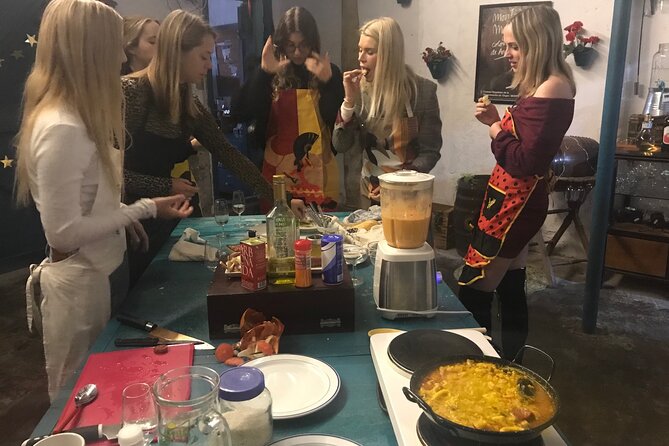
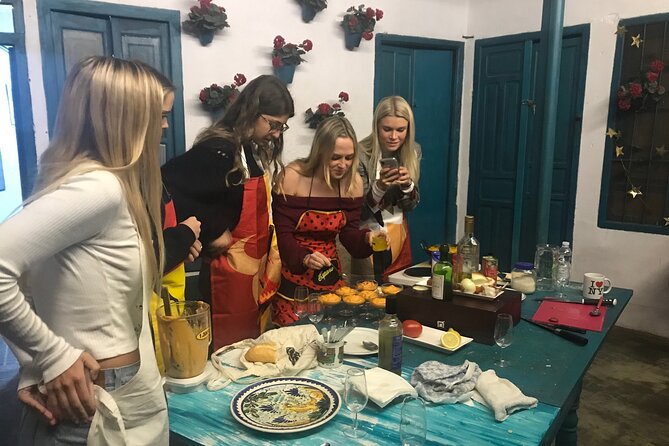
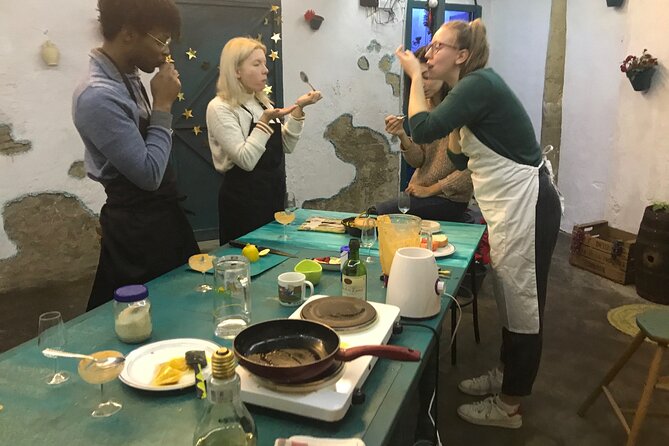
You’re not learning in a sterile classroom. The cooking happens in an old winery-style space that feels like a working cellar kitchen, with the group gathered around the prep and cooking area.
What I like about this style of location is the rhythm. In a “real” workspace, you get fewer distractions. You’re focused on the cutting, blending, and watching the paella cook in front of you.
The class format is also designed for speed without being rushed. You’ll have time to prepare your own salmorejo and then work through a paella process with guidance, not just observe.
One note from real-world experience: some people mention that hygiene standards can feel more casual than what they’re used to. If that’s a big deal for you, you might want to ask your instructor what the prep and cleaning process looks like on the day, especially before you start handling raw ingredients.
Paella in Cordobesian style with Perol Cordobés
Paella gets called a single dish by outsiders. In Córdoba, it’s more like a method and a personality. This class teaches paella in Cordobesian style using Perol Cordobés, which is the cooking setup you’ll use during the lesson.
Here’s what you should expect during the paella part:
- You’ll learn the ingredients you need and how they connect to the final dish.
- You’ll follow the process step by step, with supervision when you’re chopping or handling the cooking stages.
- You’ll hear how to judge doneness using sensory cues like smell and sound, which is exactly what helps when you’re cooking at home later.
A practical point: paella ingredients can change. The class description itself doesn’t lock you into one single paella style. And some guests have reported that the week’s paella leaned toward meat rather than seafood. The provider also notes that paella depends on the season—seafood one period, meat or vegetables in another.
If seafood is your must-have, do yourself a favor and confirm what version you’re cooking when you book. And if you have dietary needs, plan to mention them in advance. The class can make adjustments in some cases, but it isn’t presented as a fully customizable menu every day.
Salmorejo: Córdoba’s thick tomato-and-bread cream
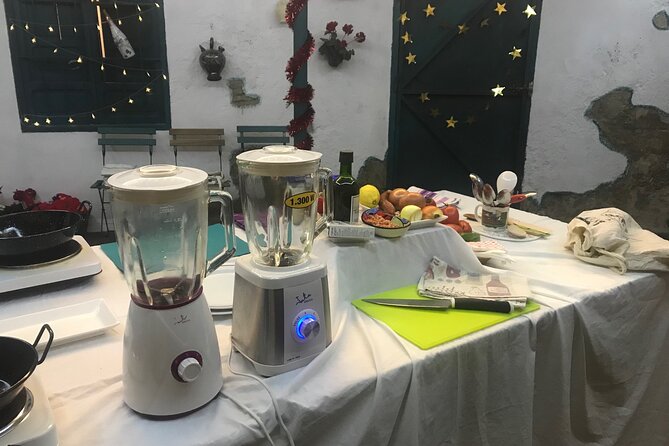
Salmorejo is the dish that turns “Spanish soup” into something you’ll want to eat again next week. It’s a creamy, mainly tomato and bread mixture originating in Córdoba. You’ll also hear alternate names like ardoria and ardorío.
This class doesn’t treat salmorejo like a blender-only task. You start with a brief history of how and when Cordoban salmorejo came about. Then you get an overview of types and varieties, plus a discussion of nutritional properties.
Then comes the part that helps you actually repeat it:
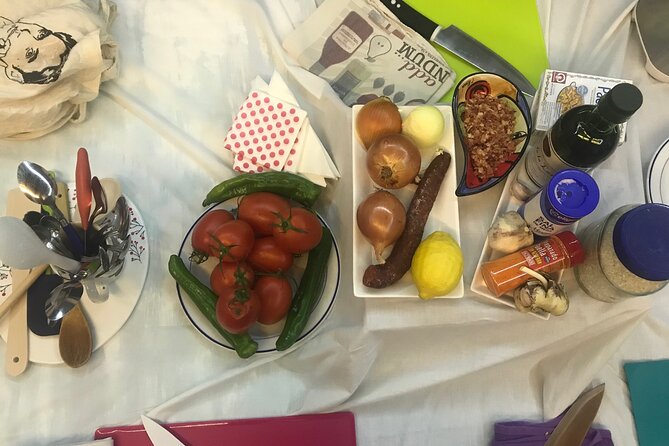
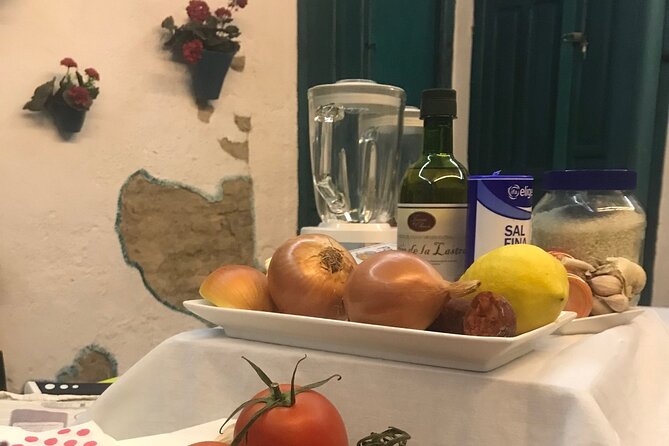
- You’ll prep the ingredients, including chopping.
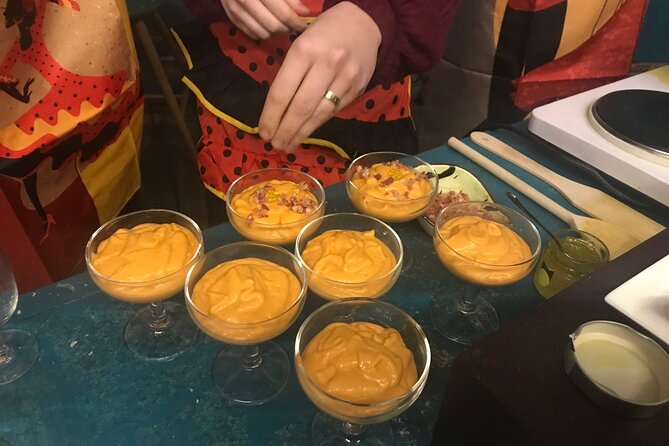
- You’ll learn how to blend them into a smooth cream with the right texture.
- You’ll make your own salmorejo under supervision, not just assemble a cup.
Why that matters for you: salmorejo is one of those recipes where texture is everything. Too thin and it’s not right. Too thick and it feels heavy. Learning the process in person helps you understand what to fix when you make it at home.
If you love tomato-based food, you’ll likely get the biggest payoff here. Salmorejo is simple, but it’s not casual. The class helps you avoid the common mistake of turning it into an ordinary sauce.

The meal rhythm: cook, taste, learn, then eat
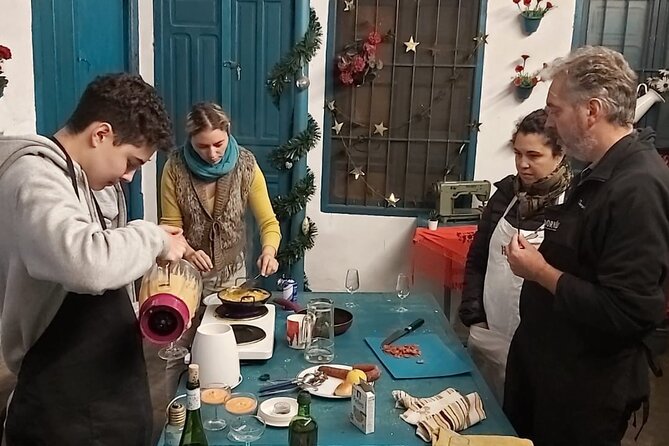
This class follows a classic cooking-class rhythm, but it’s more structured than many:
- Start with background and ingredient context.
- Move into hands-on prep.
- Cook through paella steps.
- Blend and finish salmorejo.
- Sit down and eat what you made.
You’ll also taste local wine paired with the meal. That pairing isn’t just there for flavor fun. It gives you a clue for how locals think about food: bold, simple dishes like salmorejo and paella can handle wine that’s not timid.
And yes, there’s flamenco as part of the experience. The notes describe it as listening to flamenco, which keeps it realistic for a cooking setting. It’s a nice mood cue: you’re not just learning recipes, you’re getting a sense of Córdoba’s cultural pace.
What you’ll learn that actually transfers to your kitchen
The best cooking classes teach you skills, not just ingredients. This one leans that way.
Here are the transferable takeaways I’d look for when you join:
- How the ingredients change the dish: you’ll learn what certain foods bring to paella and salmorejo.
- Sensory timing: learning readiness by smell and sound is surprisingly useful when you’re not in a class environment.
- Texture control for salmorejo: blending technique and ingredient proportions give you the thick, creamy consistency that defines it.
- Ingredient prep habits: chopping and preparation steps you can copy at home so the cooking part feels less intimidating.
People also call out that instructions are clear enough for beginners. That’s a key value point. If you’ve never made paella before, this style of step-by-step guidance can be the difference between success and giving up.
Price and value in Córdoba: what you’re paying for
At $53.41 per person for about 2 hours, you’re paying for more than ingredients. You’re paying for:
- a small-group environment (max 10),
- step-by-step supervision,
- hands-on preparation of two dishes,
- and the meal with local wine plus cultural touches like flamenco.
Compared to paying for paella and salmorejo separately, the value depends on whether you count the cooking instruction as the “premium.” If you want to leave with recipes you can repeat, this format usually makes sense.
If you’re the type who just wants to eat, you could spend less by dining out. But if you like cooking and want a structured way to learn Cordoban flavors, this price looks reasonable for what’s included.
Who this cooking class is best for
This class works especially well if:
- You’re visiting Córdoba for the first time and want food culture without a long excursion.
- You want a hands-on experience that ends in a meal.
- You’re cooking-curious and like learning tricks for texture and timing.
- You enjoy small-group settings where you can ask questions without waiting for the crowd.
It may be less ideal if:
- You have strict expectations about seafood vs meat paella and need one specific version.
- Hygiene and kitchen setup are dealbreakers for you.
- You need strong English interpretation. Some guests report limited effort on interpretation, even in an English experience.
If you fall into any of those categories, don’t skip it—just manage expectations. Confirm paella style beforehand, and ask questions at the start so you know what you’re getting.
Should you book this paella and salmorejo class?
If you want real Córdoba flavors and you like learning by doing, I’d book it. The mix of paella + salmorejo, the small group pace, and the fact that you eat what you make are a winning combo for a short visit.
My main caution is about paella variation. Since the dish can depend on season, confirm your paella style and dietary needs before you go. If that’s handled, you’ll likely walk away with at least one dish you can confidently remake at home—plus a better sense of how locals think about food beyond the plate.
FAQ
How long is the Paella and Salmorejo cooking class in Córdoba?
The class runs for about 2 hours.
Where do I meet for the cooking class?
You meet at Things to Do Córdoba, C. Carlos Rubio, 11, LOCAL, Centro, 14002 Córdoba, Spain.
What dishes will I learn to make?
You’ll learn to make paella in Cordobesian style and salmorejo, a tomato-and-bread cream that originated in Córdoba.
Is wine included?
Yes. You’ll taste local wine paired with your meal.
Will there be flamenco?
You’ll listen to flamenco as part of the experience.
What group size should I expect?
The maximum group size is 10 travelers.
What happens if the weather is poor?
This experience requires good weather. If it’s canceled due to poor weather, you’ll be offered a different date or a full refund.
More Workshops in Cordoba
More Tapas and Food Tours in Cordoba
More Tour Reviews in Cordoba

Still deciding? Here are more Cordoba tours we have walked, tasted and timed for you


Cordoba Tapas, Cooking & Food Tours, compared.
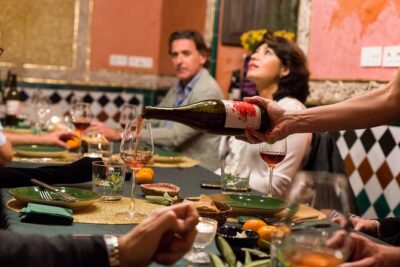 ★ 4.5Cordoba Frescas Wine Tasting and TapasFrom $6627 reviews
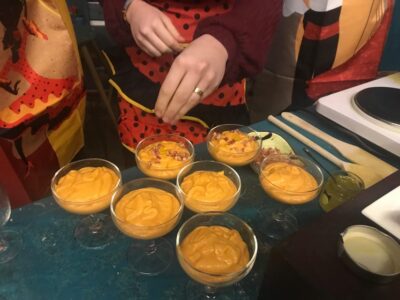 ★ 4.6Local cooking class in Cordoba. Hands on: SalmorejoFrom $1125 reviews
 ★ 4.6Full Córdoba tastingFrom $4124 reviews
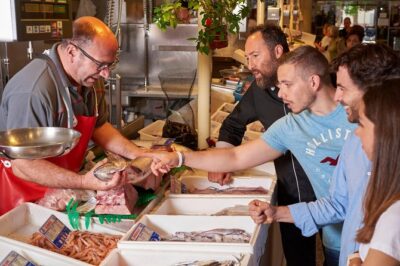 ★ 5.0Feed the Fire Private Cooking Class & Market TourFrom $15620 reviews
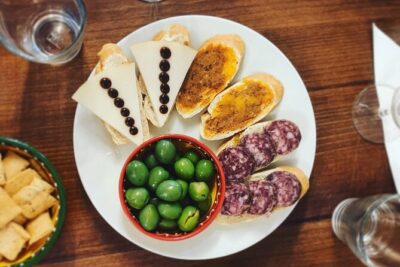 ★ 5.0Indulge in Cordoba: Local Wines & Tapas TastingFrom $4319 reviews
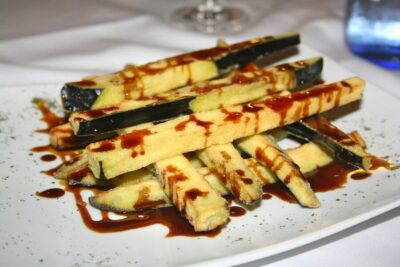 ★ 4.1Tapas Tour in CórdobaFrom $11218 reviews
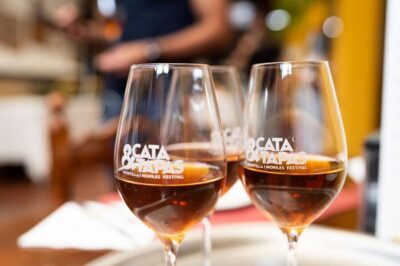 ★ 4.8Tapas Bars Tour With Local GuideFrom $11211 reviews
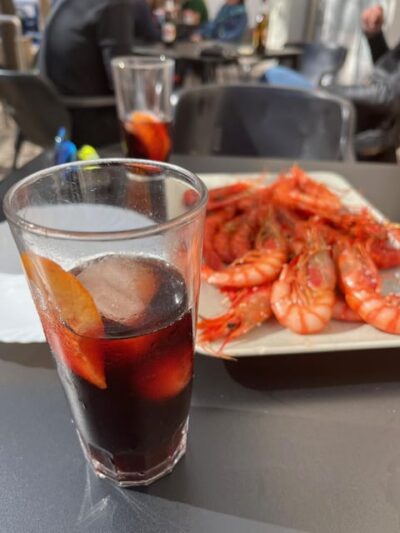 ★ 4.8Tapas Tour Cordoba & Wine Experience with chef and sommelierFrom $2183 reviews
Browse the lists this tour appears in