
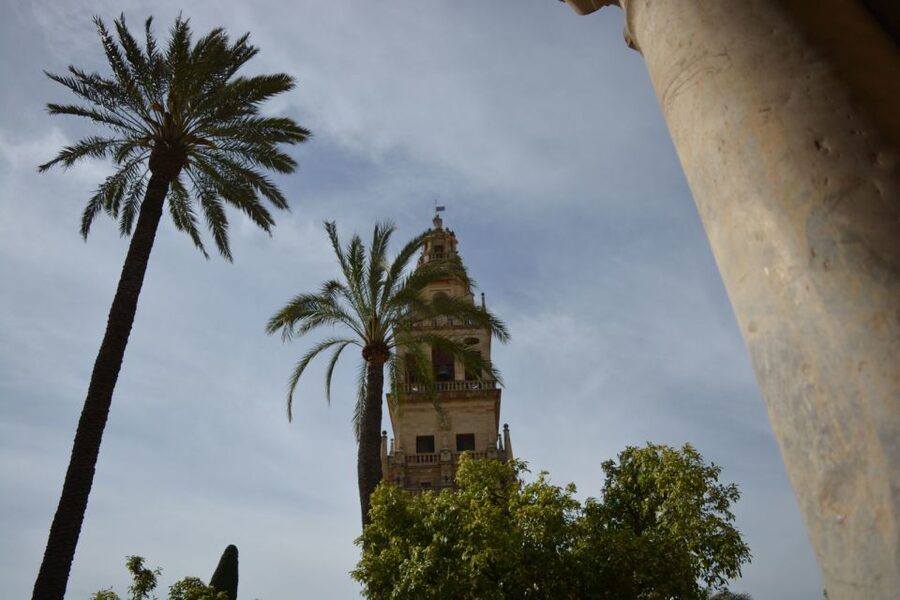
Reviewed · MEZQUITA-CATEDRAL GUIDED TOURS
Mosque-Cathedral Small Group Guided Tour
Mosque-Cathedral details hit fast. This 1-hour guided visit helps you read the Mosque–Cathedral of Córdoba without getting lost in 9 centuries of change. You’ll see how Muslim worship space became a Catholic cathedral after the Reconquista, and you’ll leave with a mental map you can actually use.
I especially like the Very Small group size (max 12), which keeps the pace human inside a huge complex. I also love that the tour includes your ticket and covers what to notice, so you spend time looking instead of figuring it out.
One thing to consider: at 1 hour, you’ll get the key stops and the big “aha” moments, but you won’t have time to wander at your own speed for every nook.
In This Review
- Key things this tour does well
- Mosque–Cathedral of Córdoba, explained like a guided walk (not a lecture)
- Your 1-hour route: where you meet, what you’ll see, and where it ends
- What makes the timing work
- Two starting points: Patio de los Naranjos vs Fuente de Santa María
- Patio de los Naranjos
- Fuente de Santa María
- Stepping into 9 centuries: from Abd-el-Rahman I to a 13th-century cathedral
- What you should pay attention to inside
- The eastern-side remnants and minaret steps: why those details matter
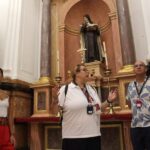
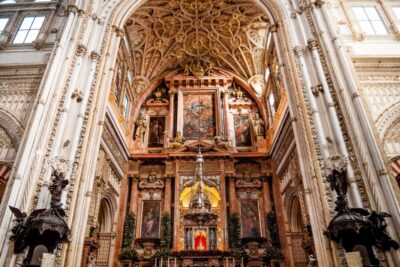
- Baroque altarpiece and mahogany choir stalls: how to enjoy the cathedral parts
- What the guides actually add (names you might hear)
- Price and value: is $71 for 1 hour worth it?
- Who this Mosque–Cathedral small group tour is best for
- Practical tips so you enjoy it more
- Should you book this Mosque–Cathedral small group guided tour?
- FAQ
- How long is the Mosque–Cathedral small group guided tour?
- What are the meeting point options?
- What is included in the $71 per person price?
- Are tickets included, and do I skip the ticket line?
- What languages is the live guide available in?
- Is the tour wheelchair accessible, and are there any clothing or bag restrictions?
Key things this tour does well
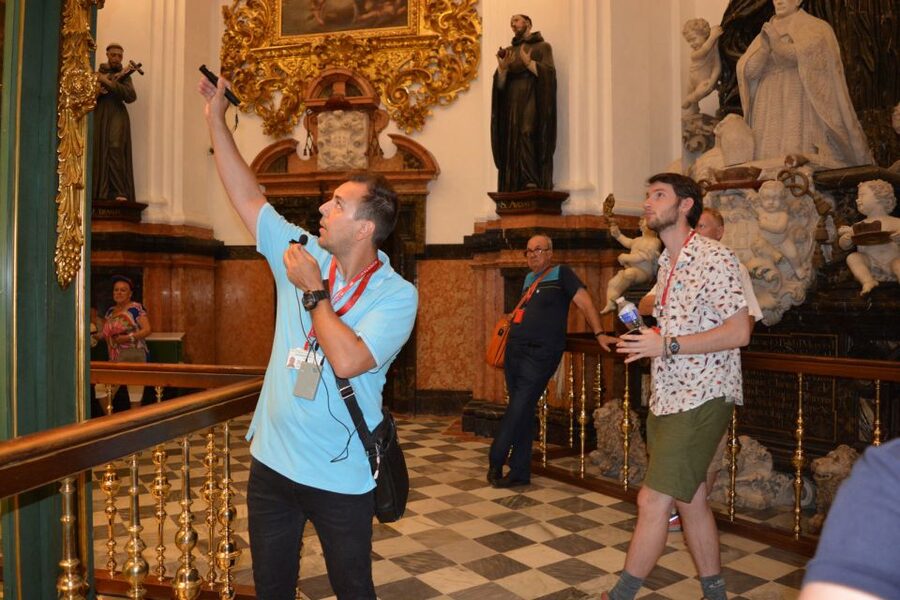
- Small group focus (max 12): easier movement, less standing around, and more time for questions.
- Skip-the-ticket-line entry: you start seeing the building sooner, not later.
- Clear architectural storytelling: you learn what changed, when, and why it looks the way it does.
- Hands-on visual guidance: from the eastern-side remnants to traces of the old minaret.
- Art you can name after you leave: Baroque altarpiece and mahogany choir stalls get explained in plain terms.
Mosque–Cathedral of Córdoba, explained like a guided walk (not a lecture)
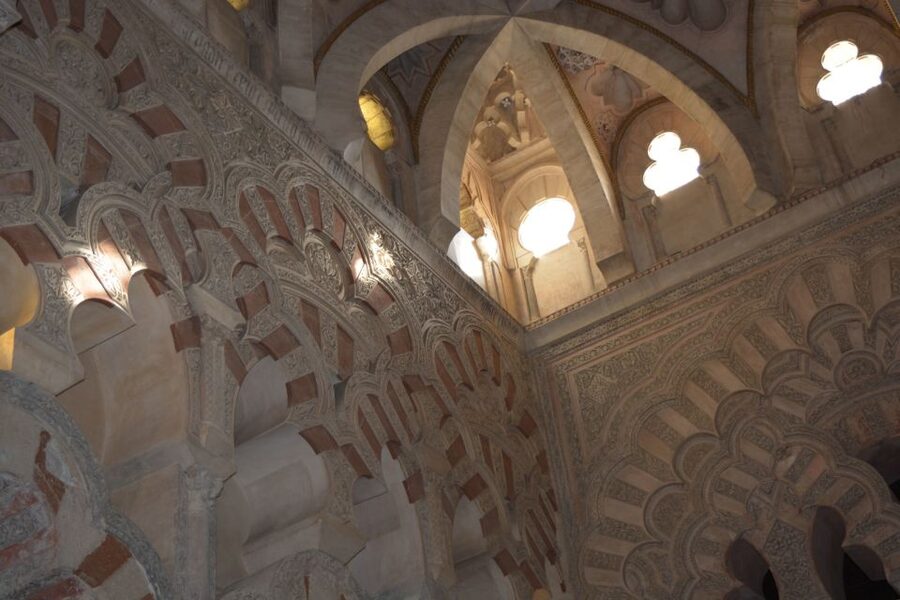
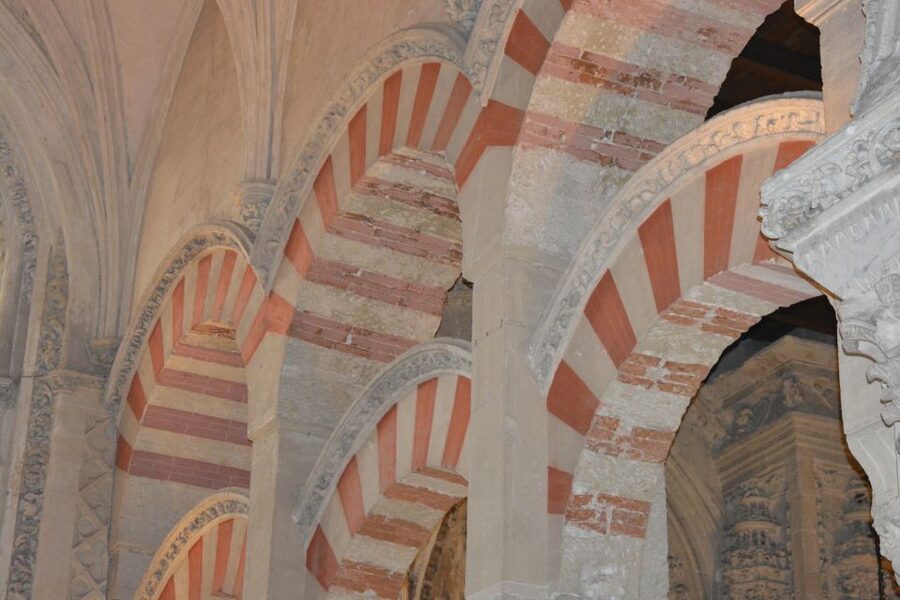
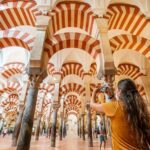
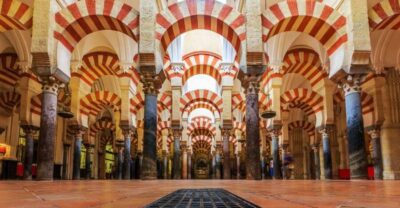
The Mosque–Cathedral of Córdoba is the kind of place where you can stand in the middle and think, I’m looking at one building, right? Then you realize it’s really several buildings layered together—Islamic worship space, later Christian adaptation, and repeated architectural decisions that left physical clues all over the interior.
That’s exactly where this tour shines. With a local guide, the structure becomes understandable instead of just impressive. You learn the logic behind what you’re seeing: how a mosque could be repurposed, how space was divided, and how later cathedral elements were added after political and religious change in the Middle Ages.
The best part is that you’re not expected to already know the terms. The guide ties the visuals to the story, so the building starts making sense while you’re still inside it.
See how other visitors rate the guided walks through the Mezquita-Catedral, its mihrab and the forest of arches in Cordoba.
- Córdoba: Skip-the-Ticket-Line Mosque-Cathedral Guided Tour
★ 4.6 · 9,634 reviews - Córdoba: Jewish Quarter, Mosque, and Alcázar Tour
★ 4.7 · 4,279 reviews - Cordoba: Mosque-Cathedral E-Ticket with Audio Guide
★ 4.1 · 2,124 reviews - Cordoba Mosque & Jewish Quarter Tour with Tickets
★ 4.6 · 1,996 reviews
Your 1-hour route: where you meet, what you’ll see, and where it ends
This is a 1-hour visit, designed for maximum comprehension in minimum time. Your exact starting point depends on your option, but there are two common meet locations:
- Patio de los Naranjos
- Fuente de Santa María
From your meeting point, the tour proceeds into the Mosque–Cathedral itself for guided sightseeing. The route is paced so you can hit the important areas without getting swallowed by the day’s foot traffic.
You finish back at Fuente de Santa María. That’s helpful if you’re planning to continue exploring Córdoba afterward, because it puts you near a convenient landmark for regrouping and moving on.
What makes the timing work
Inside, the building is enormous, and it’s easy to spend your hour looking at the ceiling while missing the floor-level clues that actually explain how the transformation happened. The guide helps you prioritize: which parts are original remnants, which are later additions, and which details are worth pausing for.
If you’re short on time in Córdoba, this kind of guided route is a smart way to get oriented fast.
Two starting points: Patio de los Naranjos vs Fuente de Santa María
Choosing between these meet spots mostly comes down to convenience based on where you’re starting your day in Córdoba.
Prefer a smaller group? Here are more small-group and semi-private tours in Cordoba.
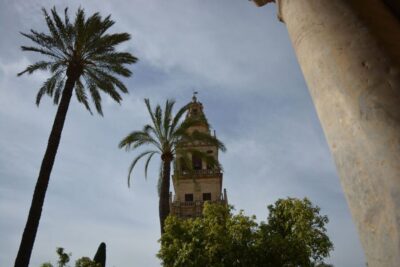
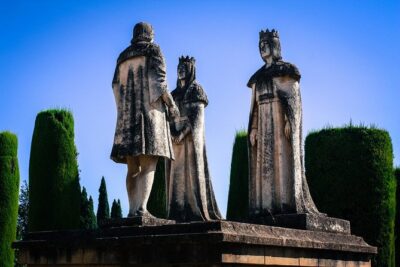
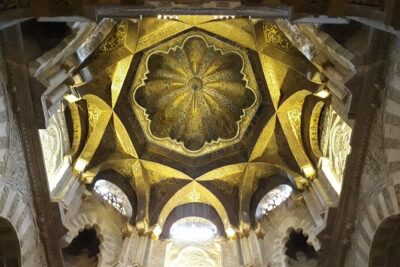
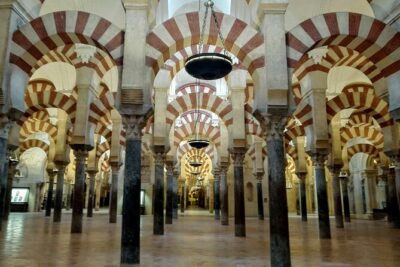
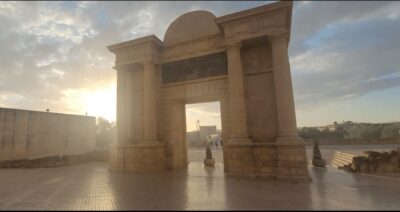
Patio de los Naranjos
Meeting at Patio de los Naranjos can feel like you’re easing into the complex at a calm pace before the interior. It’s also a practical option if you’re already in the historic center area and want an easy transition into the main monument.
Fuente de Santa María
Meeting at Fuente de Santa María is straightforward and central-feeling. It’s also the same place your tour ends, so your “in and out” flow is simple.
Either way, the key for you is this: show up on time and wear comfortable shoes. The complex involves real walking, and the faster the pace, the more your feet will care about you.
Stepping into 9 centuries: from Abd-el-Rahman I to a 13th-century cathedral
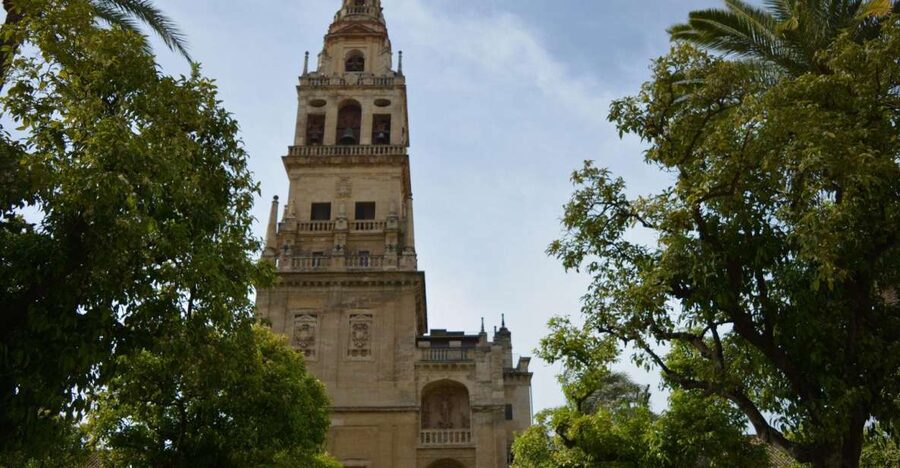
The core story you’ll learn is the transformation of the site. The Mosque–Cathedral was first built in 785 by the Muslim emir Abd-el-Rahman I, and it stands on the location of an older Visigoth church of San Vicente. Later, after the Reconquista, the space evolved into a Catholic cathedral in the 13th century.
The guide makes this more than a timeline. You’re shown how religious and political shifts became architectural choices you can see.
What you should pay attention to inside
You’ll explore the interior with an emphasis on:
- How the cathedral was built inside the earlier mosque space after the Christian Reconquista
- What’s left from the earlier mosque structure, especially toward the eastern side
- Traces of older elements, including eroded steps of the old minaret (one of those details that sounds small until you see it)
This is where the tour helps you most. In a building with layers, your eyes need a guide that points to the “evidence,” not just the “wow.”
The eastern-side remnants and minaret steps: why those details matter
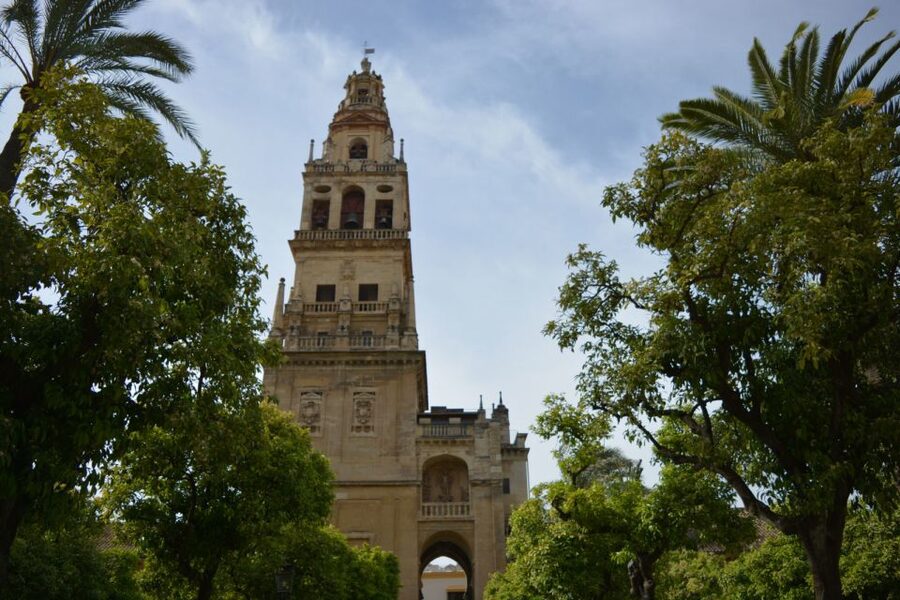
Most visitors notice the obvious grand forms and then move on quickly. I think that’s the mistake. The most meaningful clues often live in the less-celebrated corners.
On this tour, you get to see parts of the original building on its eastern side and step on the eroded steps of the old minaret. That’s the kind of moment that makes the past feel tactile. Even if you don’t know Arabic or Latin, you can understand the physical continuity: the site kept being used and changed, instead of being erased and replaced.
This is also a good moment to slow down. Watch where you stand and where lines of architecture shift. Those transitions help you understand how later additions were fitted into an existing sacred space.
Baroque altarpiece and mahogany choir stalls: how to enjoy the cathedral parts
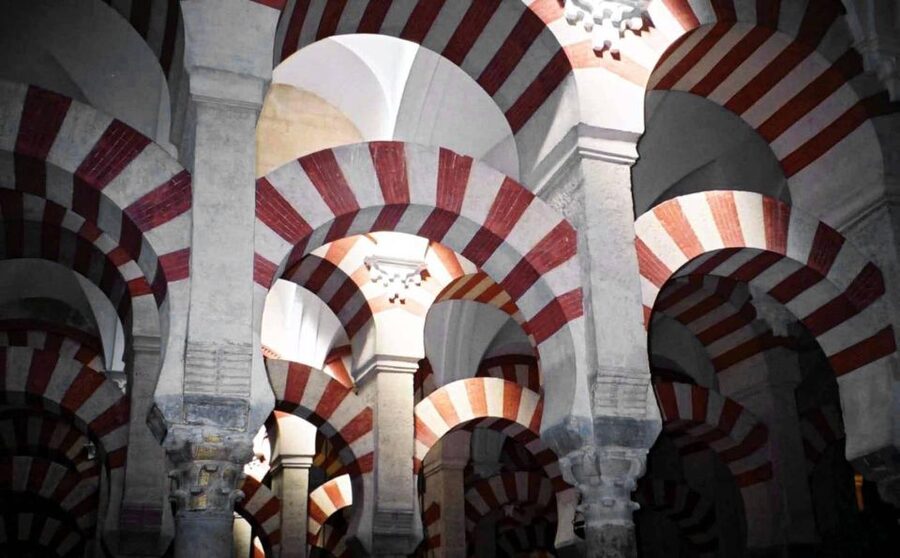
The Mosque–Cathedral isn’t only Islamic architecture and not only Christian decoration. That’s the point: it’s a hybrid monument where different eras leave different “languages” of design.
Two interior features you’ll focus on are:
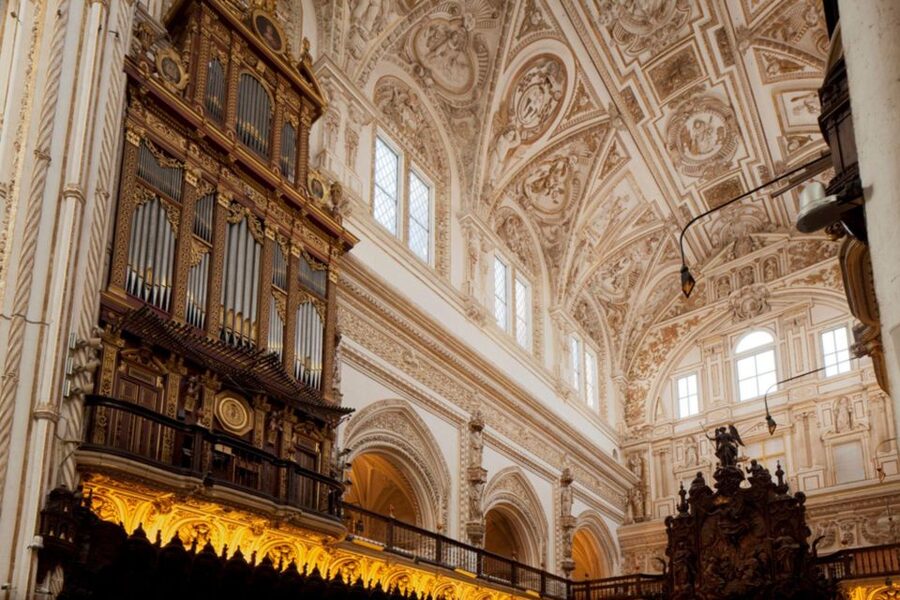
- The cathedral’s Baroque altarpiece
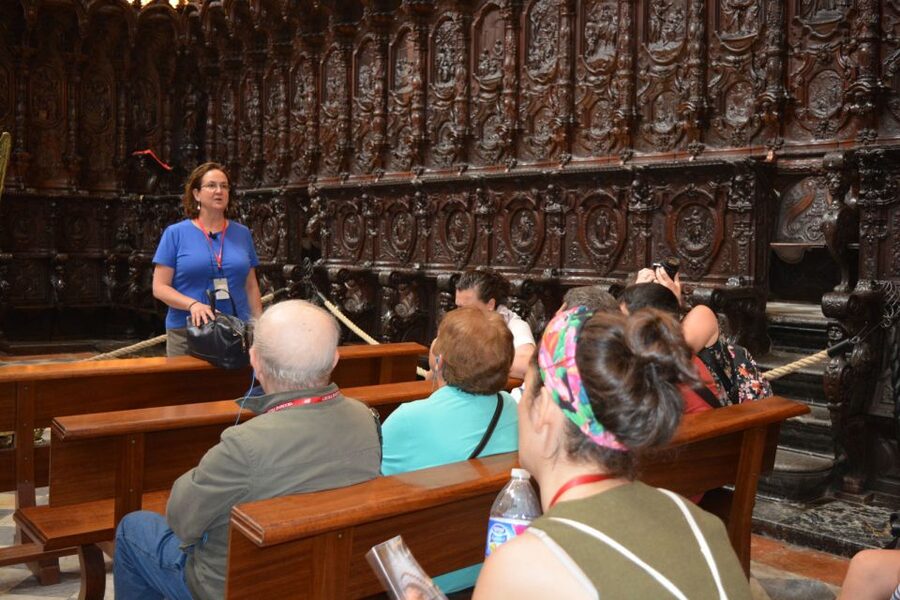
- The mahogany choir stalls
What’s useful here is that the guide doesn’t just name the objects. You’ll learn how they relate to the building’s later Catholic function. In other words, you’ll see the Baroque work as part of the building’s conversion era, not as random showy art sitting inside an older structure.
The mahogany choir stalls are also a great contrast point. They’re a reminder that once the cathedral role was established, the space had to support new liturgical routines—visible in the way seating, movement, and ceremony were designed.
If you enjoy art history, this is where you’ll feel rewarded for paying attention. If you’re more of a architecture person, it also helps you connect structure to use.
What the guides actually add (names you might hear)
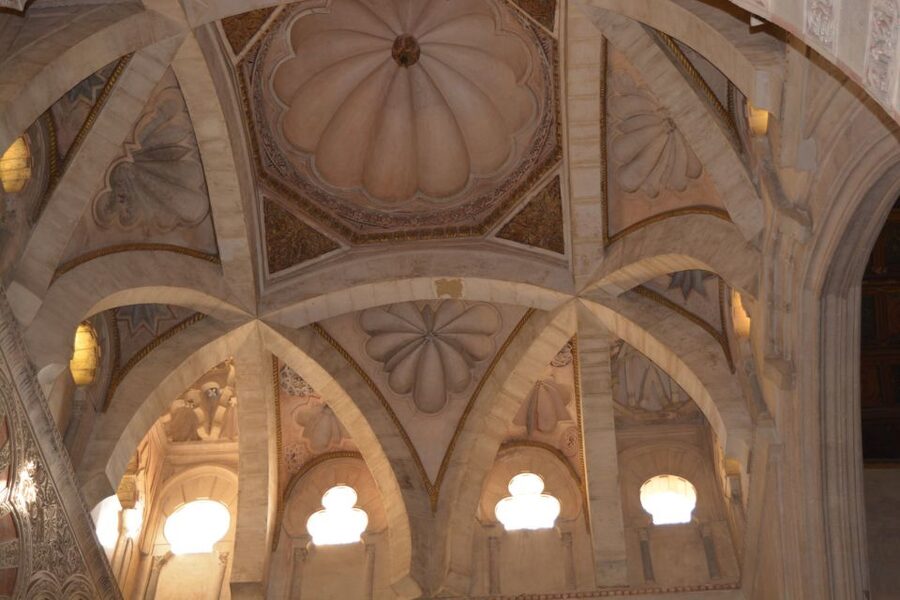
This tour experience depends heavily on the person leading it, and the reviews you provided clearly point to a couple of strengths: clarity, efficiency, and a sense of humor.
You might have a guide like Paquin, described as very knowledgeable with lots of history and architectural info, plus great English and some humor. Another guide you could see is Anna, who was praised for being patient and attentive and for sharing her passion for the building’s story. On top of that, the pacing seems intentional—getting to key areas before it gets too crowded.
Why that matters for you: inside the Mosque–Cathedral, crowds don’t just slow you down; they flatten the experience. If you’re trying to learn while weaving through groups, it’s hard to absorb details. A good guide helps you avoid that problem.
Price and value: is $71 for 1 hour worth it?
At $71 per person, you’re paying for three things that usually cost time and money separately:
- A local guide who explains what you’re seeing
- Your ticket to the Mosque–Cathedral (plus fees)
- Skip-the-ticket-line entry, which can be a real factor at peak hours
Because the tour is 1 hour, it’s also time-efficient. If you have limited time in Córdoba, a guided visit that keeps you oriented can be more valuable than trying to self-tour and missing the best “meaning” parts.
I’d treat this as a good buy if you want the big story and the key visual proofs, without spending your whole day reading every sign. If you’re the type who loves wandering slowly and reading everything on your own, you might decide you want extra unscheduled time—but for many people, this tour hits the sweet spot.
Who this Mosque–Cathedral small group tour is best for
I think this tour is a strong fit if:
- You want a focused intro to one of Spain’s most complex monuments
- You prefer learning from a guide rather than piecing the story together yourself
- You’d benefit from small group pacing (max 12)
- You’re traveling with someone who enjoys history, art, or architecture and wants explanations that connect
It’s also a good choice if you’re visiting on a day when you expect crowds. A smaller group plan helps you move through the building while still feeling like you’re seeing it, not just passing through it.
If you’re a hardcore architecture student, you might still want extra time on your own to go deeper in whatever specific areas interest you most. But for most visitors, this offers the best “learning-per-minute” structure.
Practical tips so you enjoy it more
A few things will make your hour smoother:
- Wear comfortable shoes. You’ll walk around an active monument.
- Bring passport or ID card, since it’s listed as required.
- Keep your clothing practical: no sleeveless shirts.
- Avoid large bags or luggage because they’re not allowed.
Also, pick a starting point based on where you are in Córdoba. If one meet option is much easier for you to reach, choose the one that reduces stress. When you’re less rushed, you’ll notice more.
Should you book this Mosque–Cathedral small group guided tour?
I’d book it if you want a fast, clear, and guided introduction to how the Mosque–Cathedral became a cathedral—complete with concrete visuals like the eastern-side remnants, the old minaret steps, the Baroque altarpiece, and the mahogany choir stalls. The small group size and skip-the-line entry are practical advantages, not fluff.
I wouldn’t treat it as your only plan if you want hours of free wandering. This is a focused learning visit, not a long, meandering museum crawl. But if your goal is to leave Córdoba feeling like you actually understood the building, this is a solid way to do it in 60 minutes.
FAQ
How long is the Mosque–Cathedral small group guided tour?
The tour lasts 1 hour.
What are the meeting point options?
You can meet at Patio de los Naranjos or Fuente de Santa María, and the tour finishes at Fuente de Santa María.
What is included in the $71 per person price?
The price includes a local guide, your ticket to the Mosque–Cathedral, and fees.
Are tickets included, and do I skip the ticket line?
Yes. The tour includes the ticket, and it’s listed as skipping the ticket line.
What languages is the live guide available in?
The live tour guide is available in English, Spanish, and French.
Is the tour wheelchair accessible, and are there any clothing or bag restrictions?
The tour is wheelchair accessible. Large bags or luggage aren’t allowed, and sleeveless shirts aren’t allowed. Comfortable shoes are recommended, and you’ll need to bring an ID (passport or ID card).
More Small-Group and Semi-Private Tours in Cordoba


More Mezquita-Catedral Tours in Cordoba
More Tour Reviews in Cordoba
Still deciding? Here are more Cordoba tours we have walked, tasted and timed for you


Mezquita-Catedral Guided Tours, compared.
 ★ 4.6Skip-the-Ticket-Line Mosque-Cathedral Guided TourFrom $319,634 reviews
 ★ 4.7Cordoba Mosque-Cathedral: Skip-the-Line Guided TourFrom $356,610 reviews
 ★ 4.7Jewish Quarter, Mosque, and Alcázar TourFrom $504,279 reviews
 ★ 4.1Mosque-Cathedral E-Ticket with Audio GuideFrom $212,124 reviews
 ★ 4.6Cordoba Mosque & Jewish Quarter Tour with TicketsFrom $401,996 reviews
 ★ 4.7Skip-the-Line Great Mosque-Cathedral History TourFrom $381,690 reviews
 ★ 4.5Mosque-Cathedral of Córdoba Guided Tour with TicketsFrom $331,649 reviews
 ★ 4.7Mosque-Cathedral, Jewish Quarter and Alcázar TourFrom $511,426 reviews
Browse the lists this tour appears in