
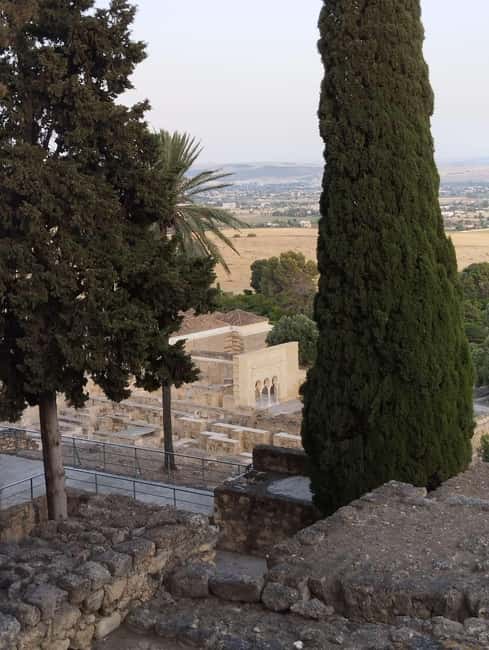
Reviewed · MEDINA AZAHARA & MADINAT AL-ZAHRA TOURS
Cordoba: Medina Azahara by Night
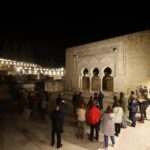
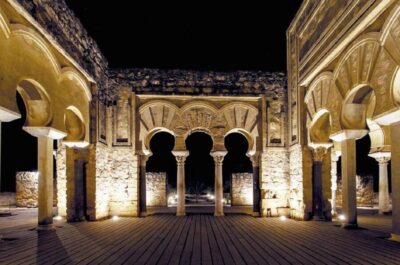
Medina Azahara at night looks like a movie set. This guided tour turns the 10th-century remains into an evening story, with the site lit up and a guide who connects the dots. I especially like the night illumination (ruins feel different when they glow) and the UNESCO World Heritage angle from 2018, which adds weight to what you’re seeing. One thing to consider: the tour is Spanish-only and it’s not recommended for people with limited mobility.
You’ll head to Medina Azahara, about 8 kilometers from Córdoba, and meet your guide at the main entrance of the archaeological area. From there, you follow the history of a caliphate city built by Abderraman III in the 10th century, passing what are described as palace remains, grand entrances, and gardens. Expect a focused 2–2.5 hour visit designed for understanding, not rushing.
Practical note: the ticket is included, and you’ll skip the ticket line, but a shuttle from parking to the site is not included. Comfortable shoes and a water bottle are a must for an evening walk on uneven ground.
In This Review
- Key Highlights Worth Marking
- Medina Azahara at Night: What the Illumination Changes
- Why Abderraman III Built a Caliphate City Here
- The Main Stops: Palaces, Grand Entrances, and Gardens
- UNESCO World Heritage (2018): Why It Matters While You Walk
- Getting the Best Value Out of a $15 Night Ticket
- Practical Logistics: Meeting Point, Parking, and What to Pack
- Who This Tour Is For (and Who Should Skip It)
- Should You Book Córdoba: Medina Azahara by Night?
- FAQ
- How long is the Medina Azahara by Night tour?
- What does the tour ticket include?
- Is the tour available in English?
- Will I be able to skip the ticket line?
- Do I need a shuttle bus from parking to the archaeological site?
- Is this tour suitable for people with limited mobility?
- Where does the tour start and end?
Key Highlights Worth Marking
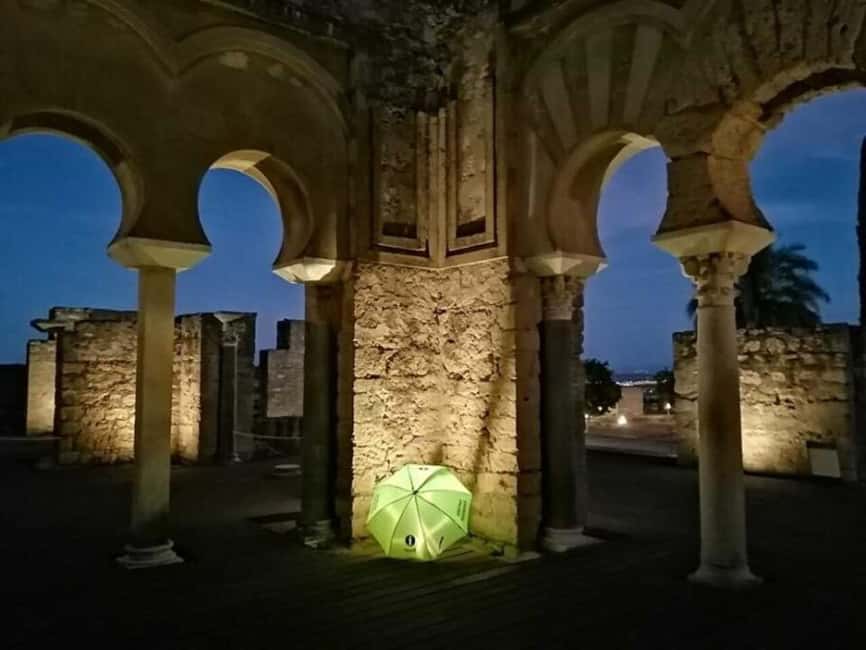
- Illuminated evening visit that changes how you read the ruins
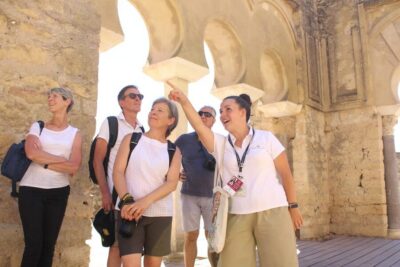
- Licensed guided explanations from people who can explain what you’re actually looking at
- UNESCO World Heritage site (2018) for added historical context
- Meet your guide at the main door and start with the right orientation
- Skip-the-ticket-line entry so your time stays on the site
- Spanish live guide (important if you don’t read well in Spanish)
Medina Azahara at Night: What the Illumination Changes
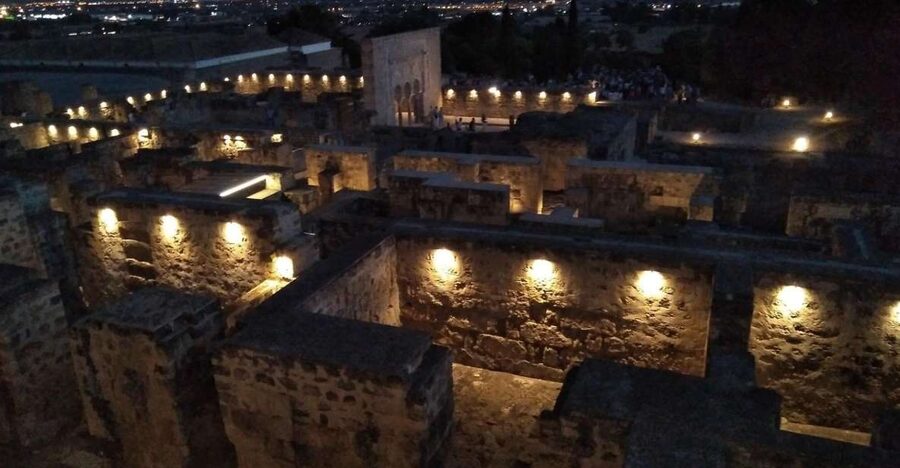
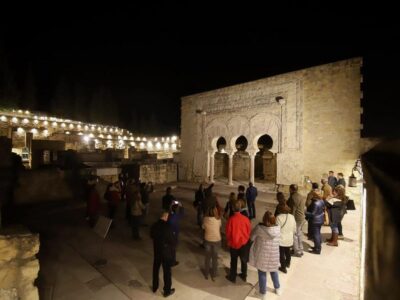
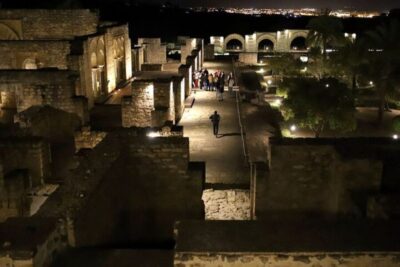
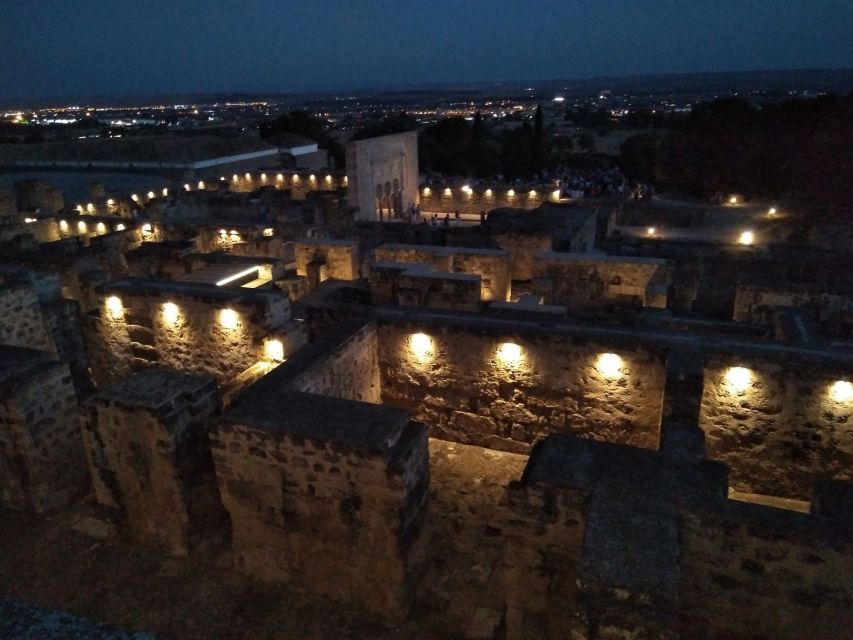
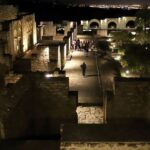
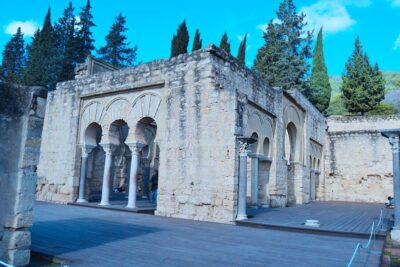
There’s a real difference between seeing ruins in daylight and seeing them at night. During the day, your brain tends to label things as “old stones.” At night, when the archaeological site is lit, those same structures start to feel like places that once had purpose.
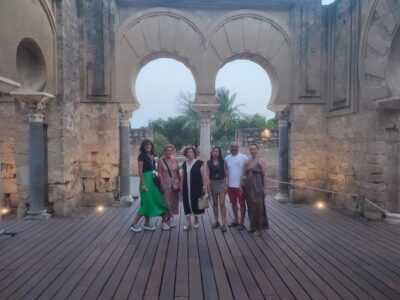
On this tour, the site is illuminated while you’re with a live guide. That matters because you don’t just walk through a dark area and guess. You get interpretations as you move—palaces and grand entry areas stop being random shapes and start acting like clues.
I like how this format fits an evening in Córdoba. You’re not trapped indoors, and you don’t have to choose between a museum day and a night out. This gives you a clear “evening plan” that’s still historical.
The one practical trade-off is that night tours can demand more from your feet and attention. The site is an archaeological area. Bring comfortable shoes and go slow on any uneven sections.
Here are more trips out to Medina Azahara, the ruined caliphal city of Madinat al-Zahra west of Cordoba.
- Córdoba: Guided Tour of Azahara Medina
★ 4.5 · 1,042 reviews - Córdoba: Medina Azahara 3-Hour Guided Tour
★ 4.6 · 969 reviews - Cordoba: Medina Azahara 3–Hour Guided Tour
★ 4.7 · 472 reviews - Cordoba: Half-Day Medina Azahara Guided Tour
★ 4.6 · 288 reviews
Why Abderraman III Built a Caliphate City Here
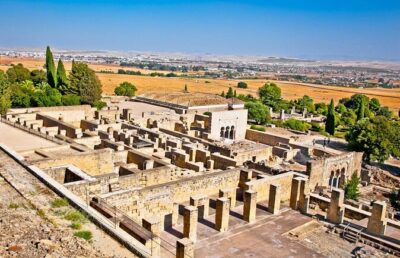
Medina Azahara isn’t just some ancient neighborhood—it’s presented here as an important archaeological site tied to the 10th century and the opulence of a caliphate city. The big name you’ll hear is Abderraman III, the ruler associated with building the city in the 10th century.
What you should take away is this: you’re walking through the physical remains of a political and cultural statement. Caliphate cities weren’t only about living. They were about power, order, and showing the world what the state could do.
With a guided night visit, you’re also more likely to remember the story than if you were wandering alone. Your guide is waiting at the main door and you start with orientation rather than first trying to figure out where you’re going.
In the short reviews you provided, one comment mentions history and controversy and even family themes being handled in a way that’s accessible. That fits the best kind of guiding: you don’t only get dates. You get connections—why something mattered, who was involved, and what the politics may have meant on the ground.
And if you happen to get a guide who’s strong at storytelling (one review specifically praised a guide named Laura), that can make the whole experience feel smoother and more human. Even if your guide isn’t the same person, the point is that the tour is built for explanation, not just sightseeing.
The Main Stops: Palaces, Grand Entrances, and Gardens
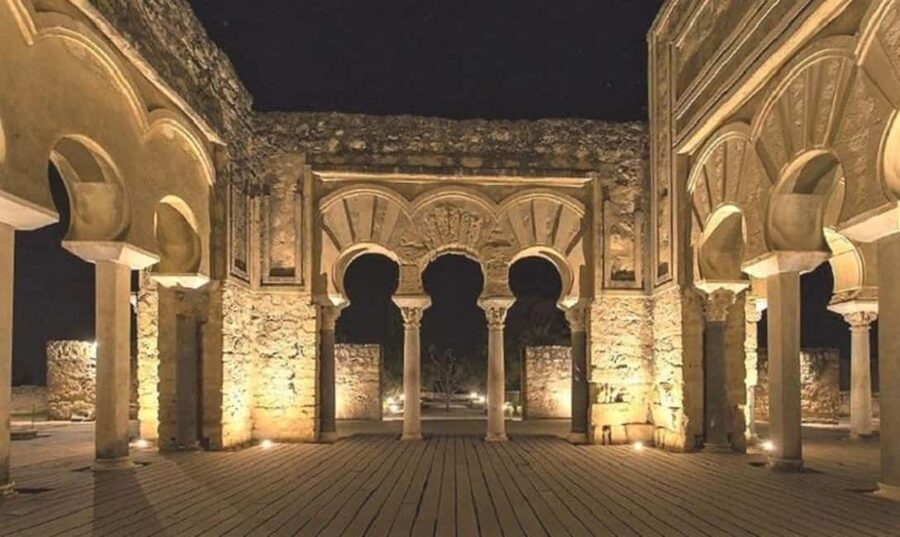
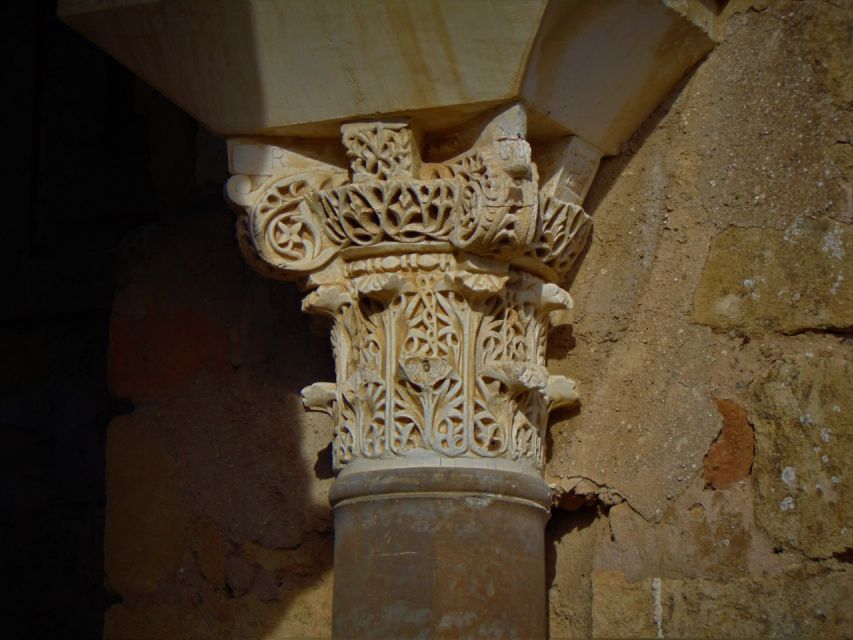
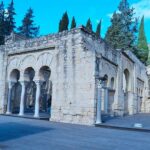
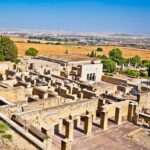
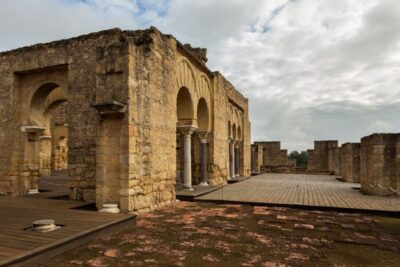
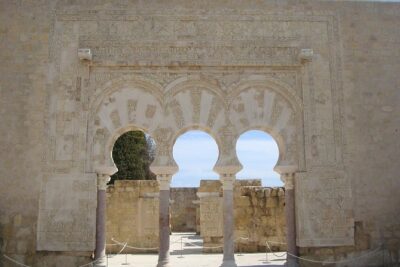
The tour is designed as a guided walk through key remnants across the archaeological area. You should expect stops that focus on the parts of a royal city: the areas described as palace remains, the grand entrances, and the gardens.
Here’s why these categories are useful to you. When someone points out a palace area, they’re not just saying “this is old.” They’re helping you understand scale and intention—what would have impressed visitors and residents.
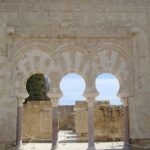
Grand entrances are the same idea, just at the “public face” level. You learn to look for what people would have seen first, and how movement through the city probably worked. Even if you can’t reconstruct every detail, your guide helps you read the site like a map with a story.
Gardens are especially worth your attention at night. Lighting can make you notice borders, paths, and layout more clearly. You’ll likely get an explanation that helps the gardens stop being “pretty” and start being part of the city’s design.
One note: the tour is only available in Spanish, and the included live guide is the whole point. If your Spanish is basic, you’ll still get plenty from gestures and pacing, but deeper details will be harder to catch. If Spanish is a problem, this is the main “fit” issue to think about before you book.
UNESCO World Heritage (2018): Why It Matters While You Walk
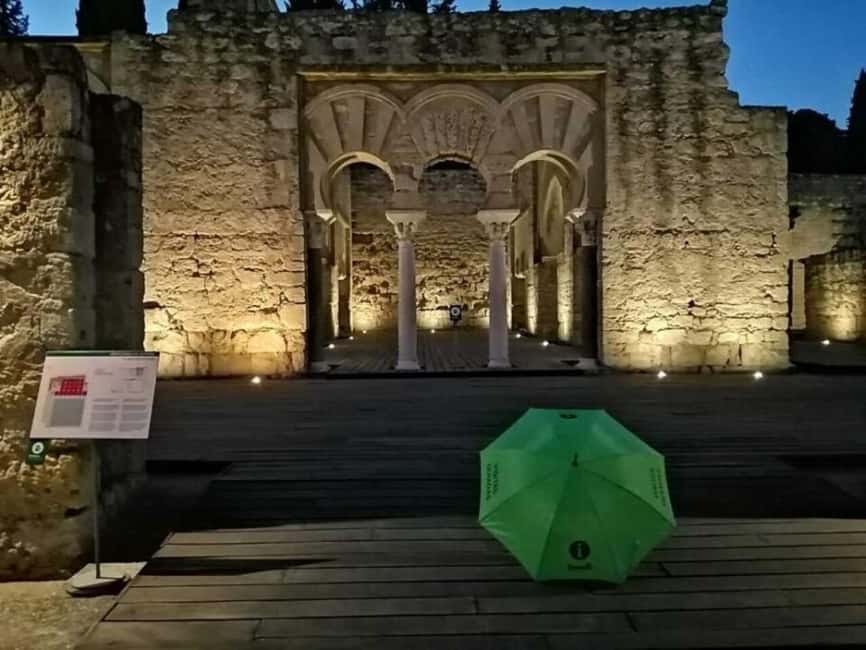
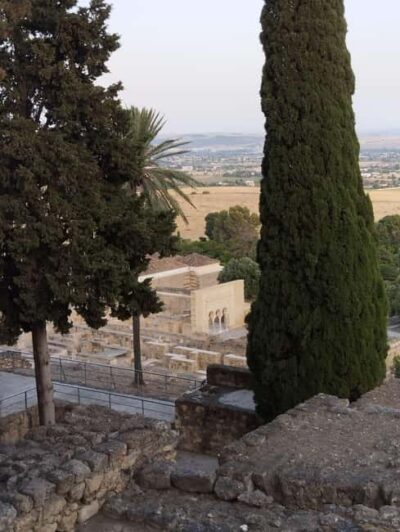
Medina Azahara is described as an area declared a UNESCO World Heritage Site in 2018. That’s not just a label for brochures. UNESCO recognition often signals that a place is significant enough to deserve protection and careful interpretation.
In practical terms, this means you’re visiting a site that’s being treated as part of a bigger international story. Your guide’s job is easier in a way—they can connect what you see to the reasons the site matters, not just the fact that it’s “ancient.”
And it changes how you experience the ruins. Instead of treating everything as a generic stop, you treat it as a preserved archaeological landscape where every fragment helps explain how the city worked in the 10th century.
If you like history that feels grounded—architecture, planning, political context—this UNESCO connection adds credibility and helps you pay attention to the right details.
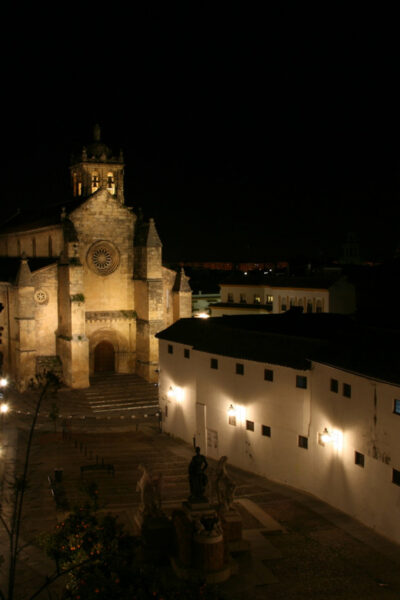
Save the heat for later with more evening and after-dark tours of Cordoba.


Getting the Best Value Out of a $15 Night Ticket
At about $15 per person, the value comes from two things: the timing and the guidance.
First, night access plus illumination is a specific experience. You’re not just getting a regular daytime entry. The emotional “viewing conditions” are different, and that’s part of the product you’re paying for.
Second, you’re paying for a live guide. The information you need to make sense of a large archaeological area isn’t always obvious on your own. A guide does the heavy lifting—explaining palace remains, entrances, and gardens in a way you can remember later.
The tour also includes skip-the-ticket-line entry. That doesn’t sound glamorous, but it matters. When you’re on a timed evening visit, every minute spent waiting is a minute you don’t get back.
So the value equation looks like this:
- you get 2–2.5 hours on-site,
- with a live guide,
- at a time when the ruins are illuminated,
- plus skip-the-line entry,
- for a price that’s quite reachable compared with many guided night experiences.
If you’re the type who likes to read later, bring this advantage: you’ll have context that makes post-tour research easier.
Practical Logistics: Meeting Point, Parking, and What to Pack
Meeting points can vary depending on the option booked, and the tour ends back at the meeting point. That’s common for evening tours, but you should still plan to arrive early enough to avoid stress.
One key detail: the shuttle bus from parking to the archaeological site is not included. That means you should assume some walking from wherever you park, at night, on uneven ground.
Pack like it’s evening walking, not strolling:
- Comfortable shoes you can trust
- Water (recommended)
- A jacket or layer, since it’s nighttime
- A phone battery if you plan to take photos (and you probably will)
Also, remember it’s not recommended for people with limited mobility. That’s not just a “maybe.” If you need accessibility support, take this warning seriously and consider another option.
Finally, the tour is only available in Spanish. If you’re booking with a friend who doesn’t speak Spanish, you’ll both want to know this upfront so the experience matches expectations.
Who This Tour Is For (and Who Should Skip It)
This tour fits best if you want history with direction.
You’ll likely enjoy it if:
- you like architecture, archaeology, and understanding how spaces worked
- you prefer guided explanation over self-guided wandering
- you want an evening plan that’s still meaningful
- you’re comfortable with Spanish or at least understand enough to follow guided storytelling
You might want to skip it (or choose a different format) if:
- Spanish-only tours aren’t workable for you
- you have mobility limitations that make uneven night walking difficult
- you’re expecting a very casual “look around and take photos” experience without explanations
The good news: because it’s a structured 2–2.5 hour visit, you’re not stuck on the site all night. You get a clear chunk of time for the main highlights.
Should You Book Córdoba: Medina Azahara by Night?
I’d book this if you’re already spending time in Córdoba and want one night activity that feels both atmospheric and instructional. The combination of illuminated ruins, a licensed guide, and a UNESCO 2018 connection makes this more than a basic entry ticket.
Skip it if your Spanish isn’t up to guided history, or if you need an accessibility-friendly plan. Also think about footwear and night walking. The site is archaeological, and the tour assumes you can move comfortably.
If the price is a factor, this is one of the better-value ways to get guided context during an evening outing. You’re paying for interpretation, not just access.
FAQ
How long is the Medina Azahara by Night tour?
It lasts about 2 to 2.5 hours. Starting times depend on availability.
What does the tour ticket include?
The tour ticket is included.
Is the tour available in English?
No. The live tour guide language is Spanish only.
Will I be able to skip the ticket line?
Yes, skip-the-ticket-line entry is included.
Do I need a shuttle bus from parking to the archaeological site?
No shuttle bus is included from the parking to the archaeological site.
Is this tour suitable for people with limited mobility?
It’s not recommended for people with limited mobility, and it’s not suitable for people with mobility impairments.
Where does the tour start and end?
The meeting point may vary depending on the option booked, and the activity ends back at the meeting point.
—
If you want, tell me your Spanish level and when you’ll be in Córdoba, and I’ll suggest how to pair this with daytime visits so your schedule flows.
More Evening and Night Tours in Cordoba



More Medina Azahara Tours in Cordoba
More Tour Reviews in Cordoba




Still deciding? Here are more Cordoba tours we have walked, tasted and timed for you









Medina Azahara & Madinat Al-Zahra Tours, compared.
 ★ 4.5Guided Tour of Azahara MedinaFrom $231,042 reviews
 ★ 4.6Medina Azahara 3-Hour Guided TourFrom $19969 reviews
★ 4.7Medina Azahara 3–Hour Guided TourFrom $18472 reviews
★ 4.6Medina Azahara 3-Hour Guided TourFrom $19969 reviews
★ 4.7Medina Azahara 3–Hour Guided TourFrom $18472 reviews
 ★ 4.6Half-Day Medina Azahara Guided TourFrom $18288 reviews
 ★ 4.5Medina Azahara Guided TourFrom $30283 reviews
 ★ 5.0Guided visit to Medina AzaharaFrom $20229 reviews
 ★ 4.8Medina Azahara Museum and Archaeological Site TourFrom $11199 reviews
 ★ 4.6Medina Azahara Guided Tour at NightFrom $17142 reviews
Browse the lists this tour appears in