
Reviewed · ALCáZAR DE LOS REYES CRISTIANOS TOURS
Cordóba: Gardens & Fortress of Catholic Monarchs Guided Tour
A single fortress holds centuries of power shifts. I love how the tour explains the building’s layers, from royal rule to later prisons, and I love the garden stop with the Avenue of the Monarchs. The main drawback to consider: the fortress interior can be affected by restoration, so your exact indoor access may depend on what’s open that day, even if the gardens are still usable.
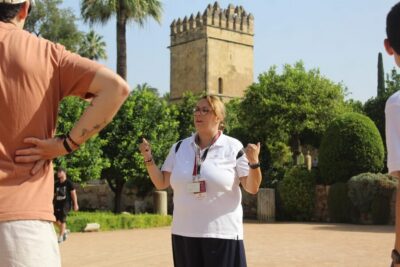
You’ll meet your guide at the main door at Avenida del Alcázar, and you’ll get a live interpretation in Spanish, French, or English. If you want a fast, high-signal overview of what made this palace-fortress matter in Cordóba, this guided format makes it easy—just wear comfortable shoes and keep bags minimal.
In This Review
- Key takeaways before you go
- A palace-fortress built on older layers in Cordóba
- Inside the fortress: royal residence rooms (and why the structure matters)
- What the Avenue of the Monarchs adds in the gardens
- The layered institutional story: from Holy Offices to prisons
- When interiors are limited: guides who adapt (Paquita and Carmen)
- Price and value: what you get for about $35
- Meeting point and how to show up smoothly at Avenida del Alcázar
- Languages and what “live guide” changes for this site
- Who this tour fits best (and who may want a different plan)
- Should you book the Cordóba Fortress & Gardens guided tour?
- FAQ
- Where is the meeting point for the tour?
- How long is the guided tour?
- What languages are available for the live guide?
- Is the fortress admission fee included?
- Can I skip the ticket line?
- What is included in the price?
- What is not included?
- What should I bring with me?
- Are bags allowed?
- Is there free cancellation?
Key takeaways before you go
- A palace-fortress built on older layers: you’re touring above the remains of a former caliph’s palace
- Royal residence + later institutions: Christian Monarchs reign here, then it later served the Courts of the Holy Offices and prisons
- UNESCO area + protected gardens: the fortress is part of a UNESCO World Heritage designation, with gardens protected by town planning since 1986
- A guide who can adapt: when interior access is limited, guides may shift to nearby sights like the caliphal baths
- Skip-the-line advantage: fortress admission is included, so you’re not burning time sorting tickets
A palace-fortress built on older layers in Cordóba
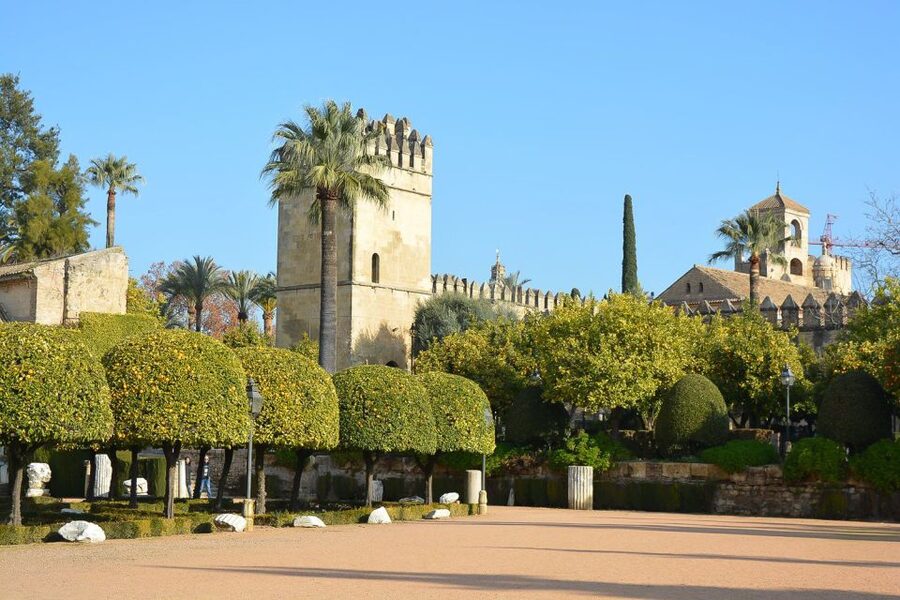
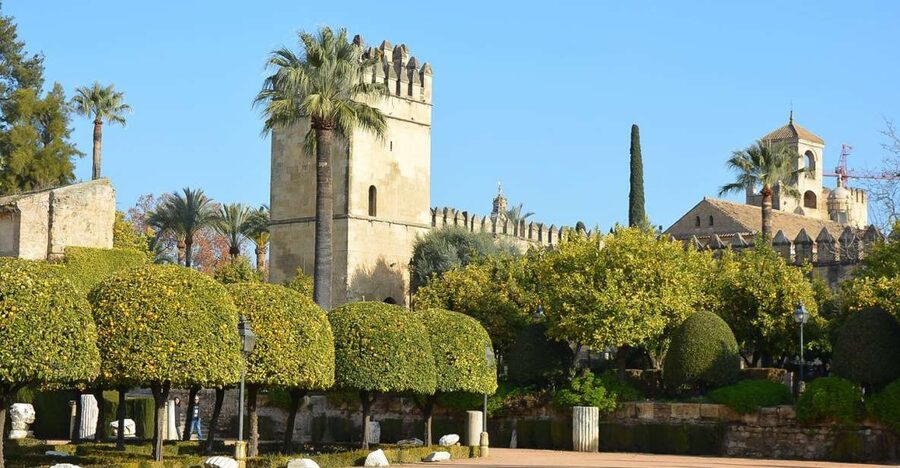
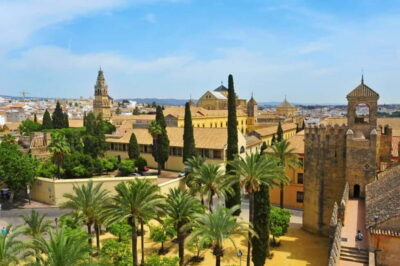
This Fortress of the Catholic Monarchs is one of those places where you feel the city’s “stacked” past. The site sits on top of the remains of a former caliph’s palace, so the location alone tells a story: Cordóba repeatedly reworked the same ground into new power centers.
What I like is that the tour doesn’t treat the building like a museum box. You’re shown how the same walls can function as a royal residence, then later as the Courts of the Holy Offices, and eventually as a civil and military prison. That change-over is the point here: you’re not just looking at stone, you’re watching history’s purpose change.
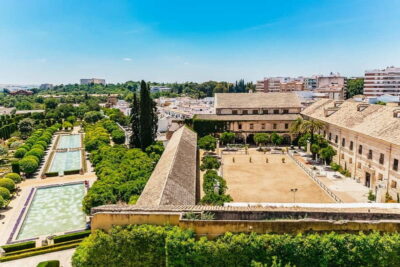
And then you step into the gardens, which are part of what makes the fortress setting so memorable. The gardens have been protected by town planning laws since 1986, and that protection helps keep the space from feeling like a generic park. It’s a designed landscape tied to the palace’s story.
Read on for more visits to the Alcazar de los Reyes Cristianos and its terraced gardens in Cordoba.
- Córdoba: Jewish Quarter, Mosque, and Alcázar Tour
★ 4.7 · 4,279 reviews - Cordoba: Alcazar Guided Tour and Skip-the-Line Ticket
★ 4.2 · 1,792 reviews - Córdoba: Mosque-Cathedral, Jewish Quarter and Alcázar Tour
★ 4.7 · 1,426 reviews - Mosque-Cathedral, Alcazar & Jewish Quarter with Tickets
★ 4.5 · 793 reviews
Inside the fortress: royal residence rooms (and why the structure matters)
The tour centers on the fortress itself, with a guided visit of a selection of rooms. You’ll learn what the Catholic Monarchs’ reign meant in this specific location and how royal life shaped the layout you’re seeing.
Even if you’re not a “museum person,” the interior stops are useful because they’re tied to function. You’re trying to understand where authority lived and how it operated—then, later, how that authority’s institutions were housed after the royal era. That’s why the guide’s storytelling matters: the building’s different phases turn the rooms into evidence.
One practical thing to watch: some people have arrived to find the fortress interior closed for restoration. When that happens, you should expect the guide to offer alternative nearby options rather than leaving you with only the exterior. It’s not something you can fully predict from the ticket alone, so I’d treat it as a “check the day-of situation” kind of experience.
What the Avenue of the Monarchs adds in the gardens
The gardens aren’t just a pleasant add-on. They’re part of how this site communicates power, memory, and legitimacy—especially through the Avenue of the Monarchs.
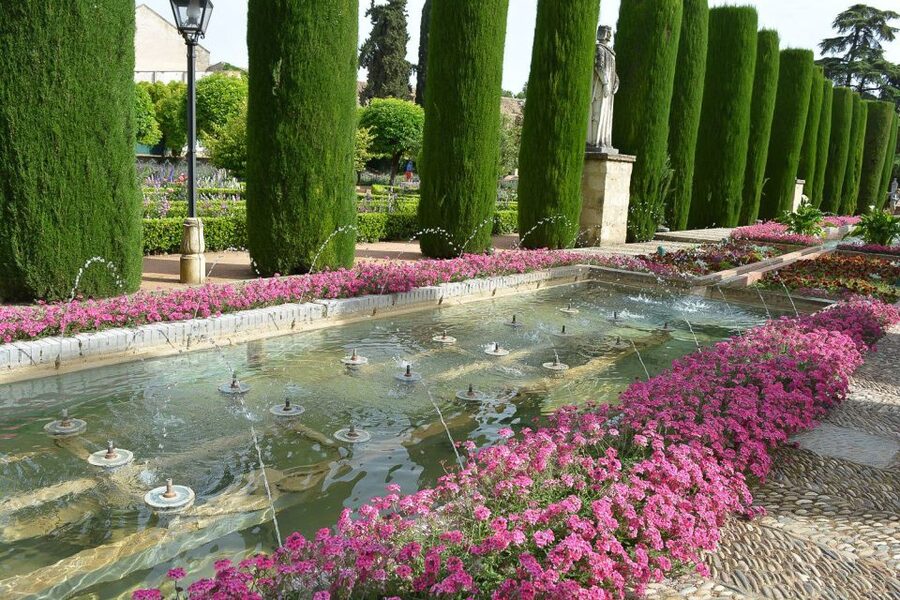
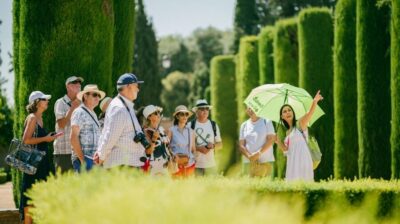
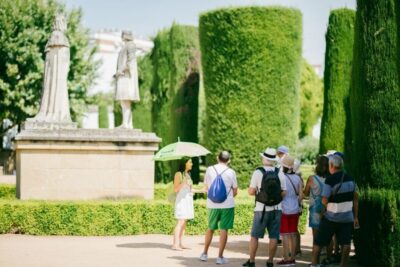
On the garden side, you’ll walk through the Avenue of the Monarchs, which includes statues tied to the monarchs connected to the palace-fortress. It’s a smart way to organize symbolism: rather than getting lost in names, you see the relationship between ruler and place, laid out as a walkable visual map.
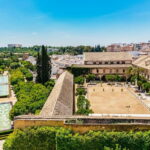
You’ll also be able to admire the gardens of this palace-fortress setting. If you love architecture but also like breathing room between major sights, this is a good balance. Gardens slow you down just enough to notice details you’d otherwise miss—materials, alignments, and how the grounds work with the fortress walls.
One timing consideration: the experience is sold as a 1-hour tour, but the description also mentions a garden-focused segment. That mismatch isn’t worth panicking over, but it does mean you should expect the pace to vary slightly depending on the starting time and what’s open inside.
The layered institutional story: from Holy Offices to prisons
A huge part of why this fortress feels so intense (in a history way) is its institutional afterlife. After it served as the seat associated with the Christian Monarchs, the site later hosted the Courts of the Holy Offices, then moved through phases as a civil prison and later a military prison.
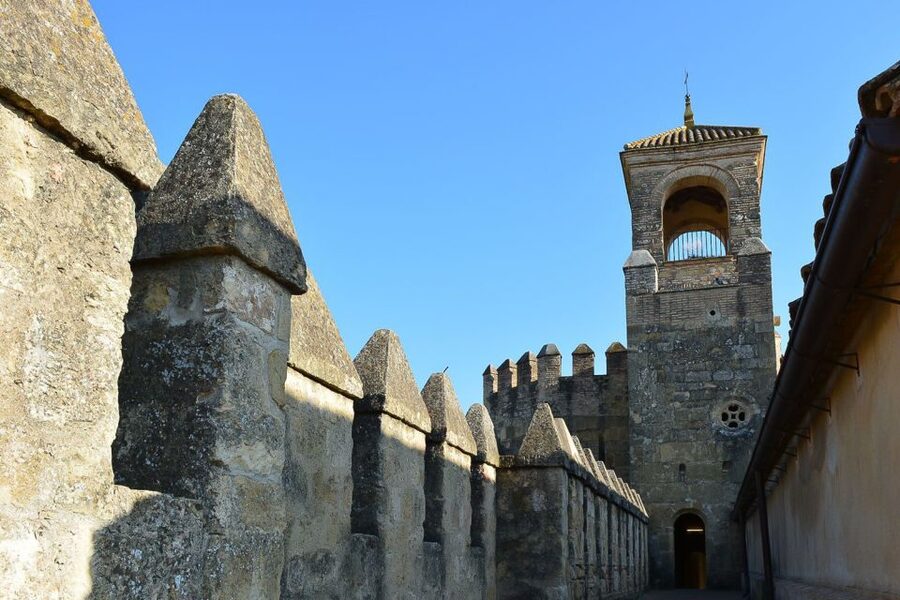
That sequence isn’t just trivia. It helps you interpret what you’re seeing: thick walls, secure layouts, and spaces that feel built for control. When you understand the purpose behind the architecture, the fortress becomes more than a backdrop for photos.
It also gives you a more honest picture of power in Spain. Royal authority and religious authority can look different on paper, but in places like this, they can share buildings and shape the same spaces in different eras. The guide’s job is to connect those dots without turning the tour into a lecture you can’t hold onto.
A few more Cordoba tours and tickets worth a look before you book.

When interiors are limited: guides who adapt (Paquita and Carmen)
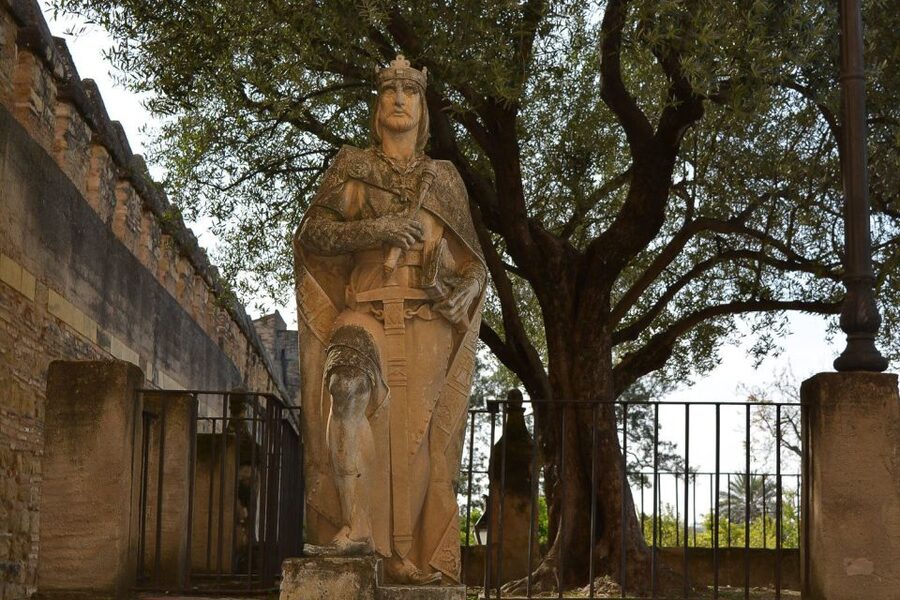
One pattern showed up in real-world visits: interior access can be impacted by restoration. When that happens, a great guide makes the difference between a disappointing tour and a useful one.
I saw examples of that adaptability in the named guides who led replacement thinking. Paquita offered a substitution approach that kept the experience moving, and Carmen was praised for doing serious historical work while also handling the situation when the fortress interior wasn’t accessible. In at least one case, the guide worked around the closure by steering the group toward the caliphal baths and surrounding areas, which still fit the theme of Cordóba’s older layered past.
So here’s your planning advice: build in flexibility. If you’re traveling with a tight schedule and this fortress interior is your must-see, I’d still book it—but also keep one nearby “Plan B” attraction on your radar that matches the same historical vibe. That mindset turns a closure from a loss into a reroute.
Price and value: what you get for about $35
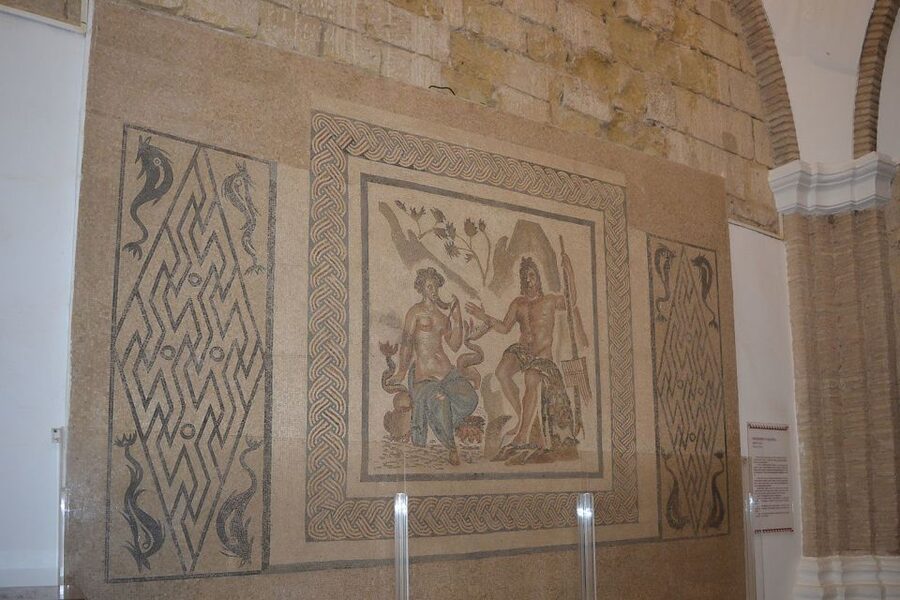
At around $35 per person for a 1-hour guided tour, you’re paying for three things: interpretation from a local guide, fortress admission, and the time saved by skipping the ticket line.
That combination is the value equation. Admission included matters because the fortress isn’t free, and a guide helps you make sense of the site quickly—especially when you’re only there for a short window. Skip-the-line also helps in old-town areas where queues can eat your sightseeing time.
What’s not included is also part of the math. You’re not getting transportation, and food and drinks aren’t included either. That means you should plan to arrive when you’re ready to focus for an hour, and then eat afterward like a normal human with actual energy.
Finally, your footwear matters more than you might expect. Comfortable shoes aren’t a cute suggestion here; you’ll be moving through historic spaces and gardens, and you’ll want your legs to be happy at the end.
Meeting point and how to show up smoothly at Avenida del Alcázar
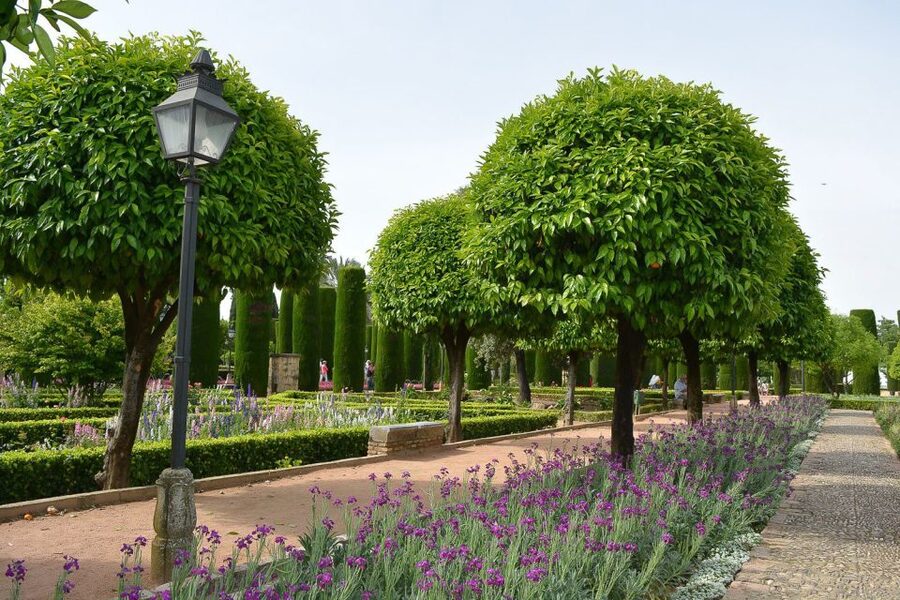
You’ll meet your guide at the main door of the Fortress of Catholic Monarchs, located on Avenida del Alcázar, in front of the river area. The specific meeting spot makes a difference because historic landmarks often have multiple entrances and nearby streets that look identical from a distance.
Also note the luggage rule: luggage or large bags aren’t allowed. That’s common for security and crowd management at historic sites, but it’s still worth planning. If you’re traveling with carry-on sized items, you might need to rethink what you bring to this stop.
Bring a passport or ID card as well. That can sound bureaucratic, but it’s standard for tours tied to ticketing and site entry.
Languages and what “live guide” changes for this site
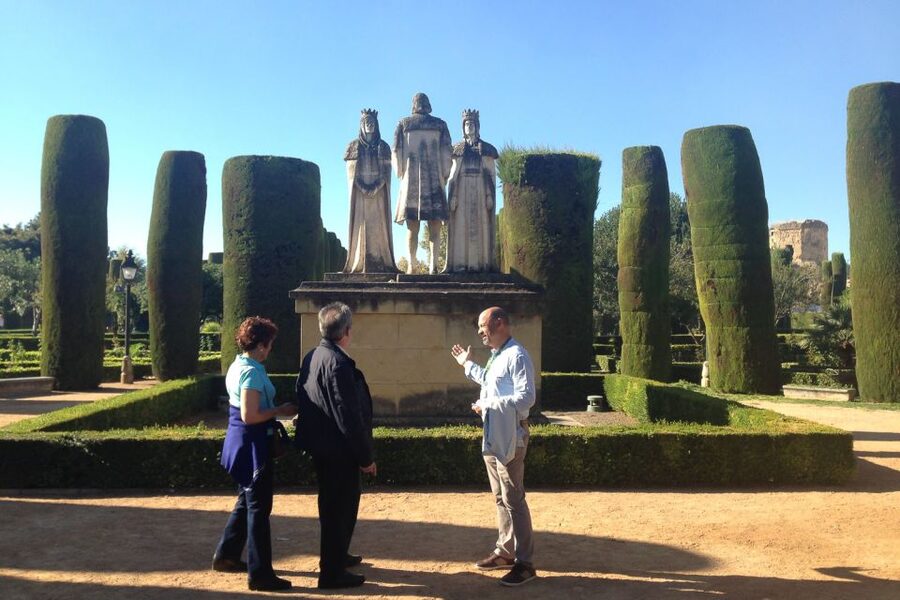
This tour runs with a live guide in Spanish, French, or English. The language detail matters because you’re not just walking through pretty grounds; you’re learning a sequence of roles the fortress played over time.
If you care about history but don’t want to read a stack of plaques, a live guide is what turns the fortress into a story you can follow. It also helps in situations where accessibility changes—because the guide can explain what you can see that day and still keep the narrative coherent.
Who this tour fits best (and who may want a different plan)
This is a strong choice if you want a clear overview without dragging the day out. The fortress and gardens together are a concentrated hit of architecture, power history, and Cordóba’s layered past in about an hour.
It’s also a good fit if you like guided context. The site’s story spans monarchs, religious courts, and imprisonment eras—without a guide, it’s easy to remember the building but forget why it mattered.
Who might pause before booking? If you’re only interested in extensive interior rooms and you must see every interior space regardless of restoration, then closures are a real consideration. The good news is that guides have shown they can suggest relevant nearby alternatives, but you should go in expecting the possibility of different access than what you had in mind.
Should you book the Cordóba Fortress & Gardens guided tour?
I’d book it if you want a time-efficient, guided way to understand why this fortress is important, not just how it looks. The included admission, the skip-the-line benefit, and the focus on both the fortress rooms and garden symbolism make the value feel practical.
I’d think twice if your perfect day depends on unrestricted interior access with zero chance of restoration. In that case, consider keeping a flexible mindset and having a nearby historical option ready if the interior is limited.
If your style is short stops with smart guidance, this tour is a solid pick for Cordóba—especially because the fortress isn’t only about the Catholic Monarchs. It’s also about how the same place kept changing jobs as power structures changed.
FAQ
Where is the meeting point for the tour?
Meet your guide at the main door of the Fortress of Catholic Monarchs on Avenida del Alcázar, in front of the river.
How long is the guided tour?
The tour duration is listed as 1 hour.
What languages are available for the live guide?
Live tours are available in Spanish, French, and English.
Is the fortress admission fee included?
Yes. The experience includes the fortress admission fee.
Can I skip the ticket line?
Yes. The tour includes skip-the-ticket-line entry.
What is included in the price?
Included are a qualified local guide, fortress admission, and VAT.
What is not included?
Transportation, plus food and drinks, are not included.
What should I bring with me?
Bring a passport or ID card and wear comfortable shoes.
Are bags allowed?
Luggage or large bags are not allowed.
Is there free cancellation?
Yes. You can cancel up to 24 hours in advance for a full refund.
More Tours in Cordoba
More Alcazar de los Reyes Cristianos Tours in Cordoba
More Tour Reviews in Cordoba
Still deciding? Here are more Cordoba tours we have walked, tasted and timed for you


Alcázar de los Reyes Cristianos Tours, compared.
 ★ 4.7Jewish Quarter, Mosque, and Alcázar TourFrom $504,279 reviews
 ★ 4.2Alcazar Guided Tour and Skip-the-Line TicketFrom $231,792 reviews
 ★ 4.7Mosque-Cathedral, Jewish Quarter and Alcázar TourFrom $511,426 reviews
 ★ 4.5Mosque-Cathedral, Alcazar & Jewish Quarter with TicketsFrom $58793 reviews
 ★ 4.5Mosque-Cathedral and Alcazar TourFrom $52637 reviews
 ★ 4.3Alcazar of Christian Monarchs 1–Hour Guided TourFrom $22583 reviews
 ★ 4.5Córdoba Guided Tour of the Mosque, Jewish Quarter & AlcazarFrom $58495 reviews
 ★ 4.6Mosque-Cathedral & Alcazar Guided TourFrom $42383 reviews
Browse the lists this tour appears in